
On Monday 29th July 2024, I set off from Edinburgh to walk the West Highland Way, all 96 miles of it, aiming to finish by Friday 2nd August. I completed the route over five days, quicker than the more common seven or eight day itinerary, which meant longer days, fewer rest stops, and very little room for error.
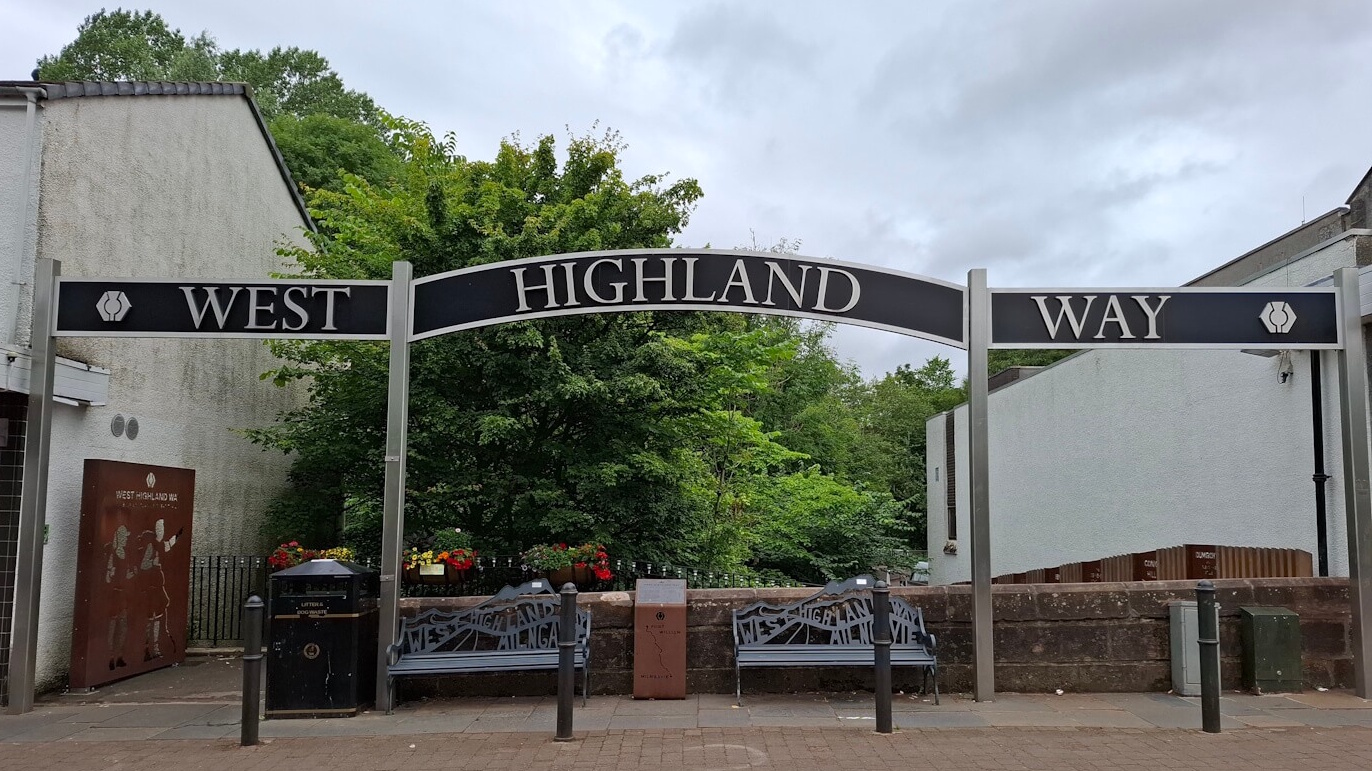
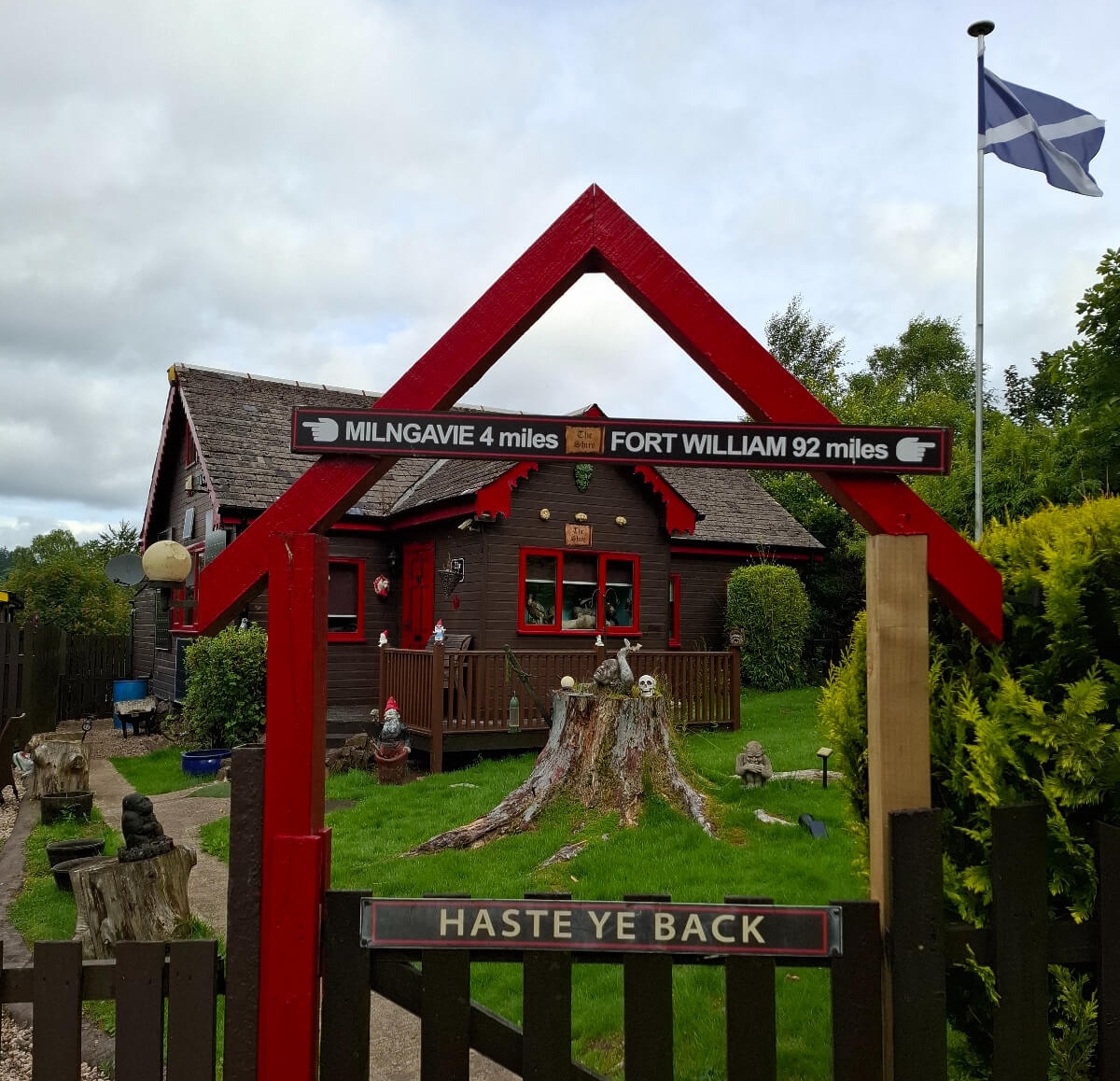
The West Highland Way is Scotland’s most famous long-distance hike. Starting just outside Glasgow in Milngavie (pronounced Mull-guy if you’re not from around here), it runs all the way to Fort William at the foot of Ben Nevis. The path takes you from farmland and woodlands, through the shores of Loch Lomond, across Rannoch Moor, and deep into the Highlands before the final stretch into Fort William.
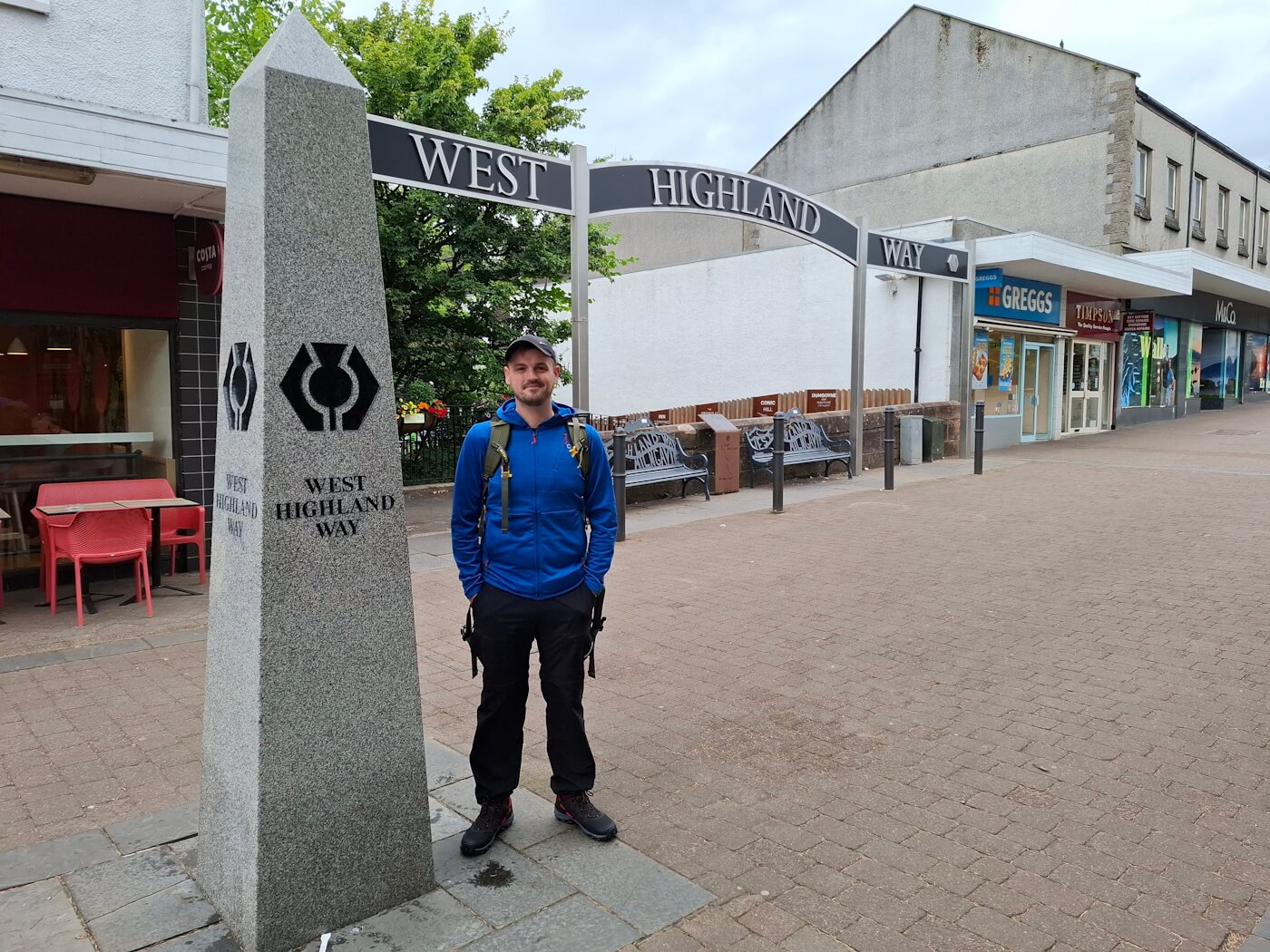
Living in Edinburgh, I had an early start: a 6am train to Glasgow, a quick platform change, and then the local train out to Milngavie. By 8:30am I was standing at the WHW obelisk — pack on, boots laced, ready for five days of walking, camping, and whatever Scotland wanted to throw at me.
🗺️ The Route
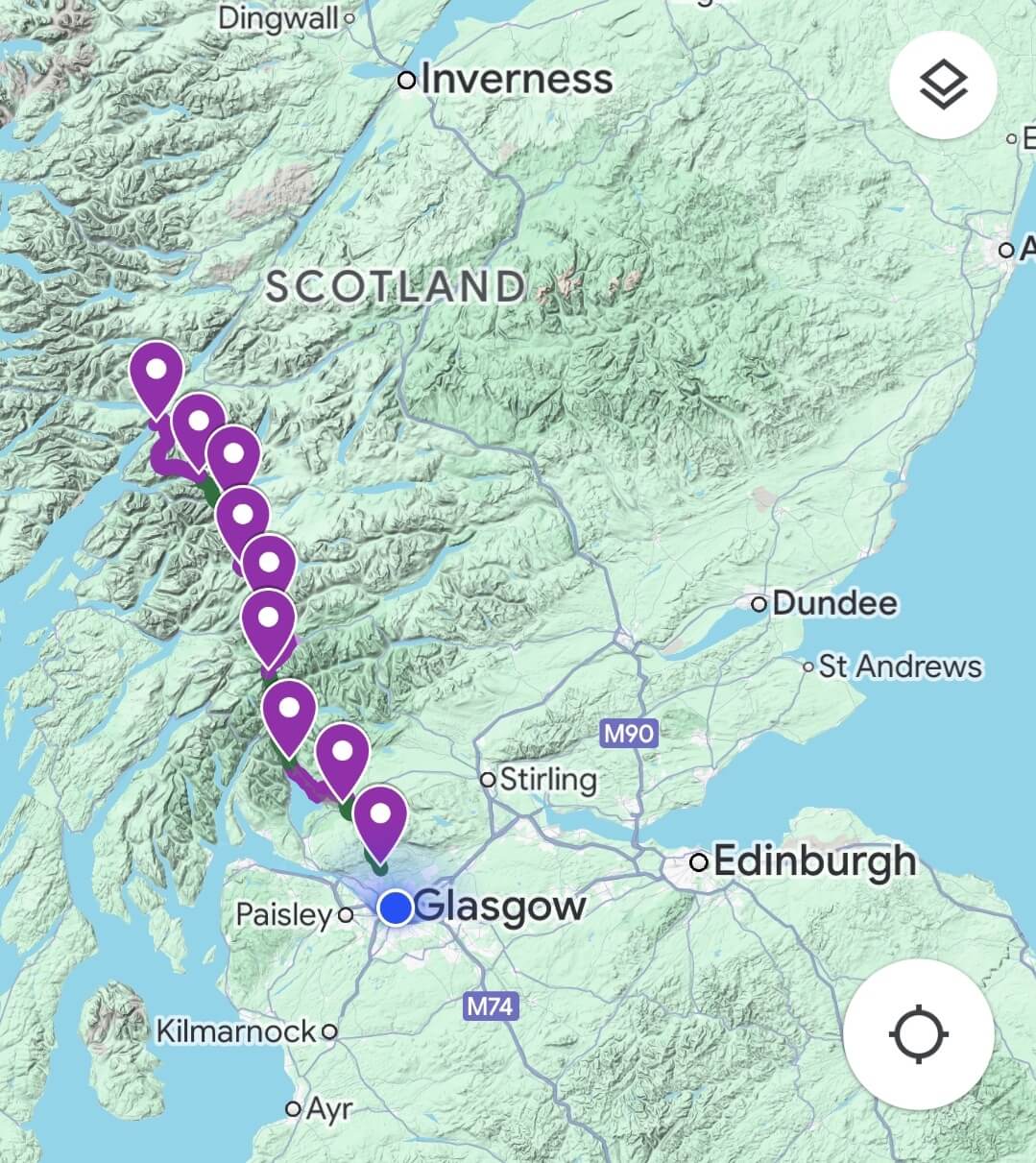
- Start: Milngavie (Glasgow suburbs)
- Finish: Beyond Rowardennan (Rowchoish)
- Distance: ~45 km / 28 miles
- Terrain: Woodland tracks, farmland, Conic Hill climb, and long lochside paths
- Steps: ~78,000 (this includes my travel to starting point)
Day one is a big shift. You start at the WHW obelisk in Milngavie at 8:30am full of beans… and end up at Rowardennan with sore traps trying to untie guy lines for pitching your tent at 1230am. It was a proper haul this day.
A five-day West Highland Way is not for everyone. You should really be aiming to do this allowing more days for recovery and time to enjoy the scenery. Five days turns it more into an endurance challenge rather than a relaxed long-distance walk.
When walking trails, I buy a map so I can follow along offline during the trip. I used this Map of the West Highland Way Walking Route, which covers the full trail and works well without signal.
🚶 My Day
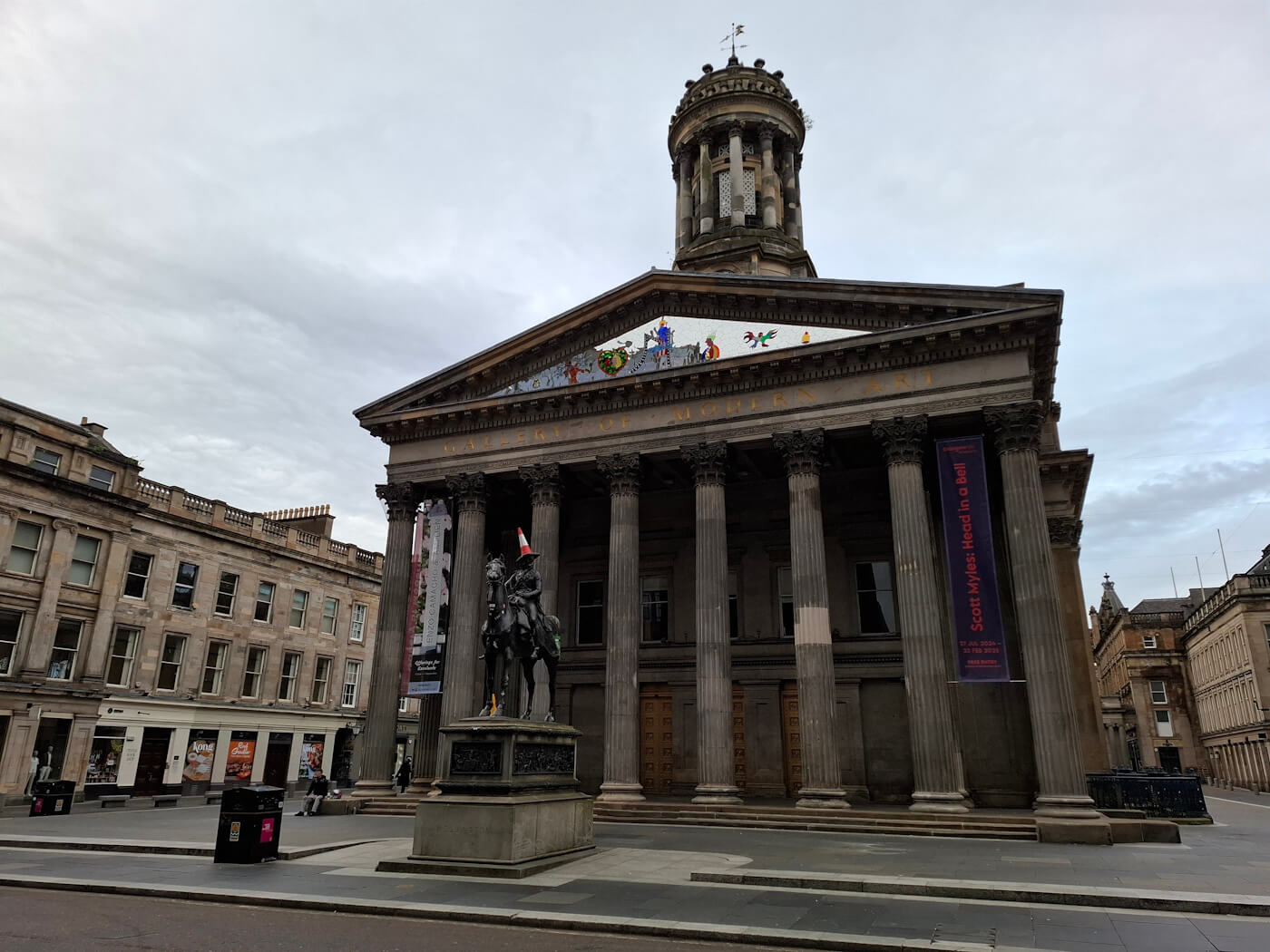
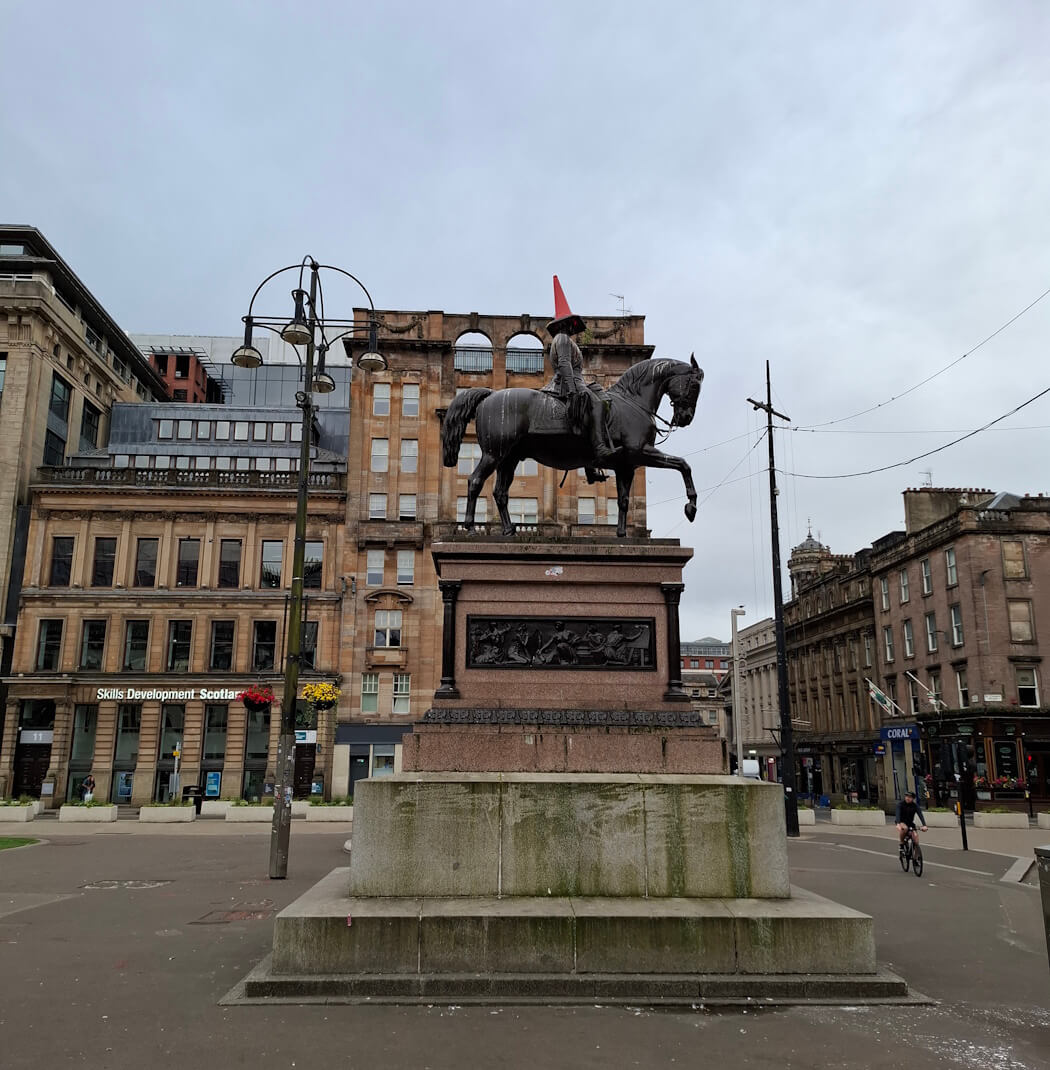
I left my house in Edinburgh at 5:30am, grabbed the first train over to Glasgow, then onto Milngavie. Even that early, it already felt like the day had started properly. I took some nice photos on the way.
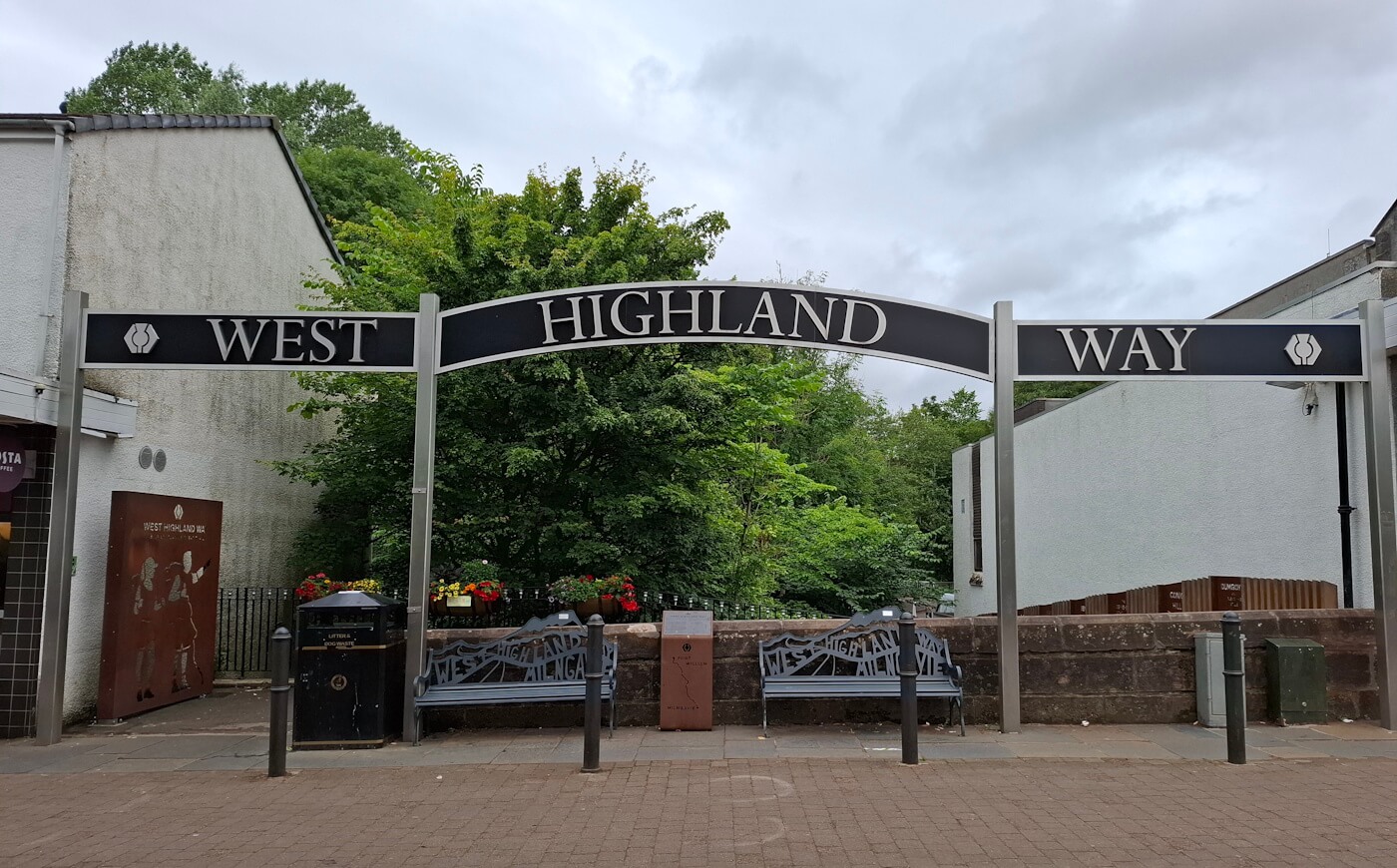
By 8:30 I was standing at the obelisk with my pack on, ready to roll. I’d had a bacon roll and coffee from Greggs in Glasgow, which felt like premium fuel at that hour.
By 11:30am I was already sitting in a café with a coffee, pretending I hadn’t just started a five-day suffer-fest. I reckon I covered about 4 miles in my first hour, 3 in the second, and closer to 2 in the third, which gives you an idea of how quickly the early optimism meets reality.
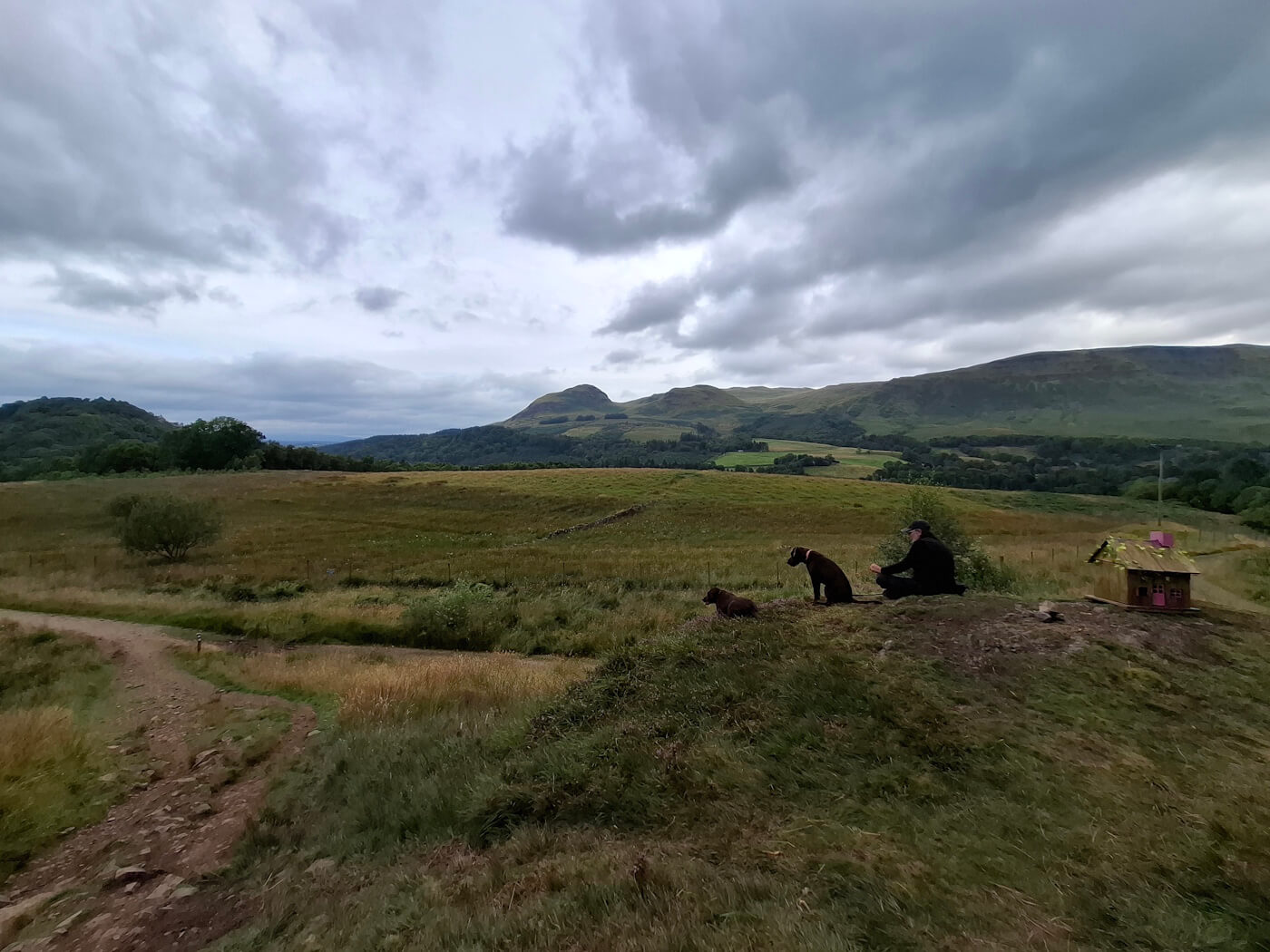
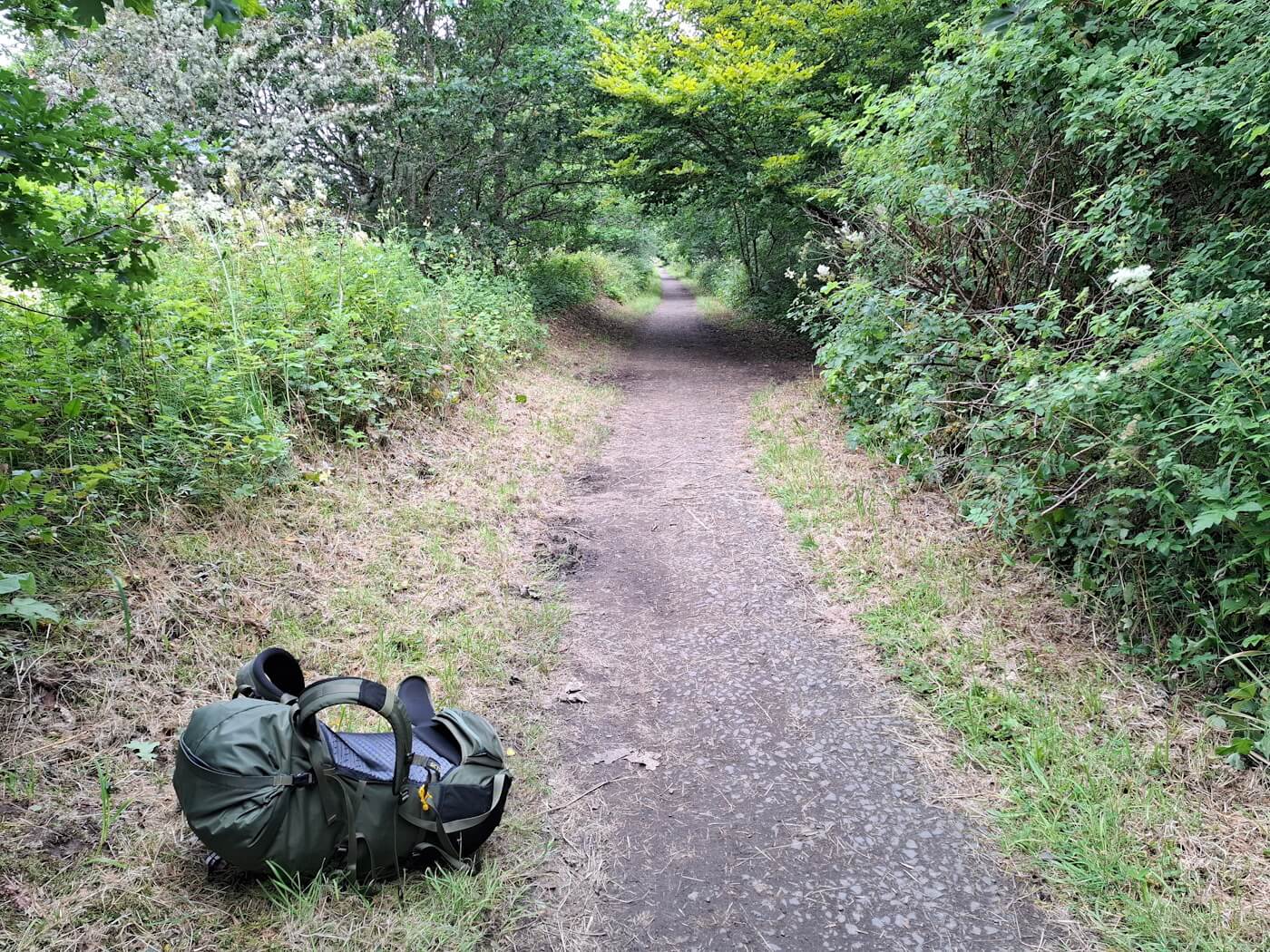
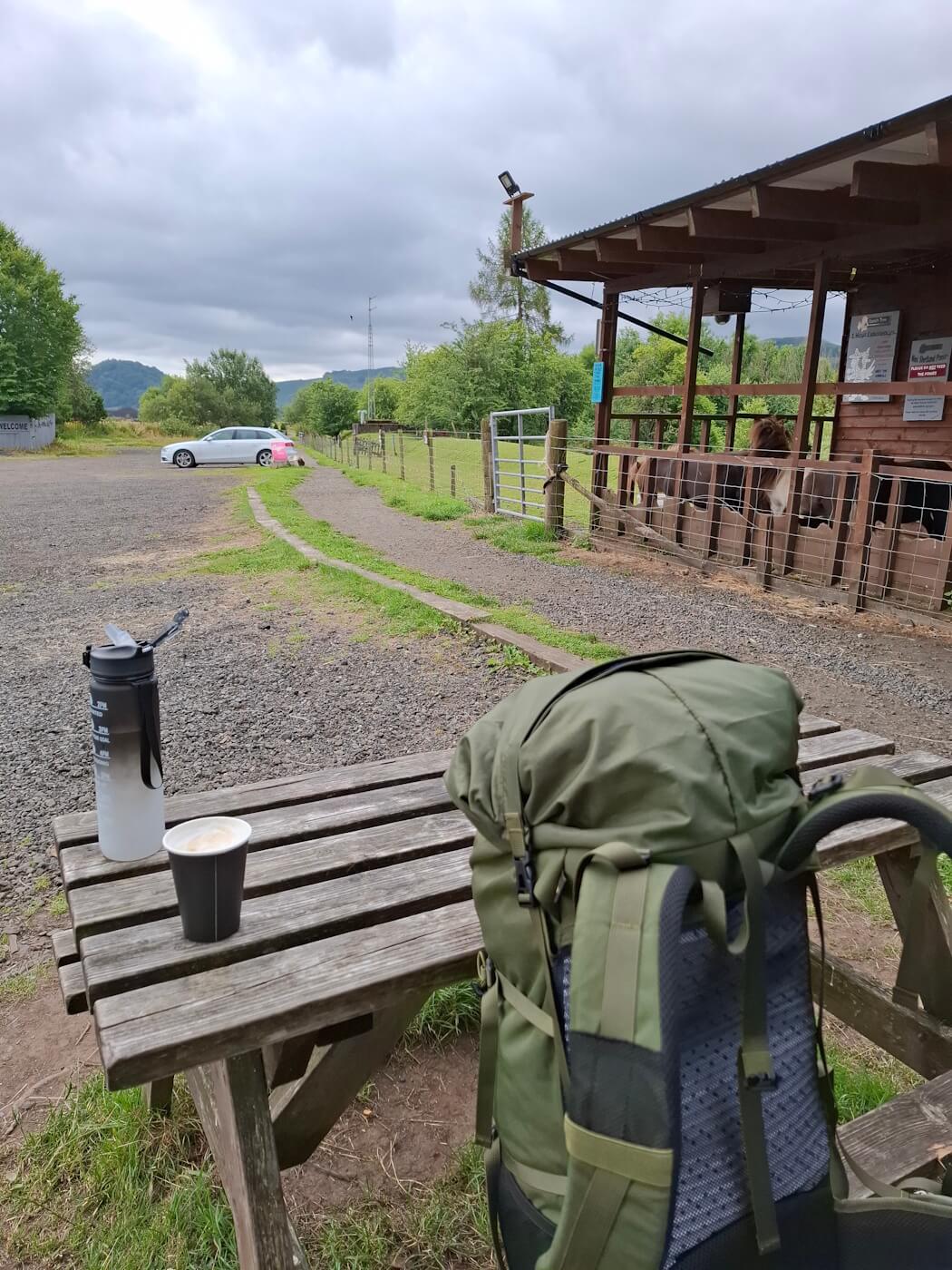
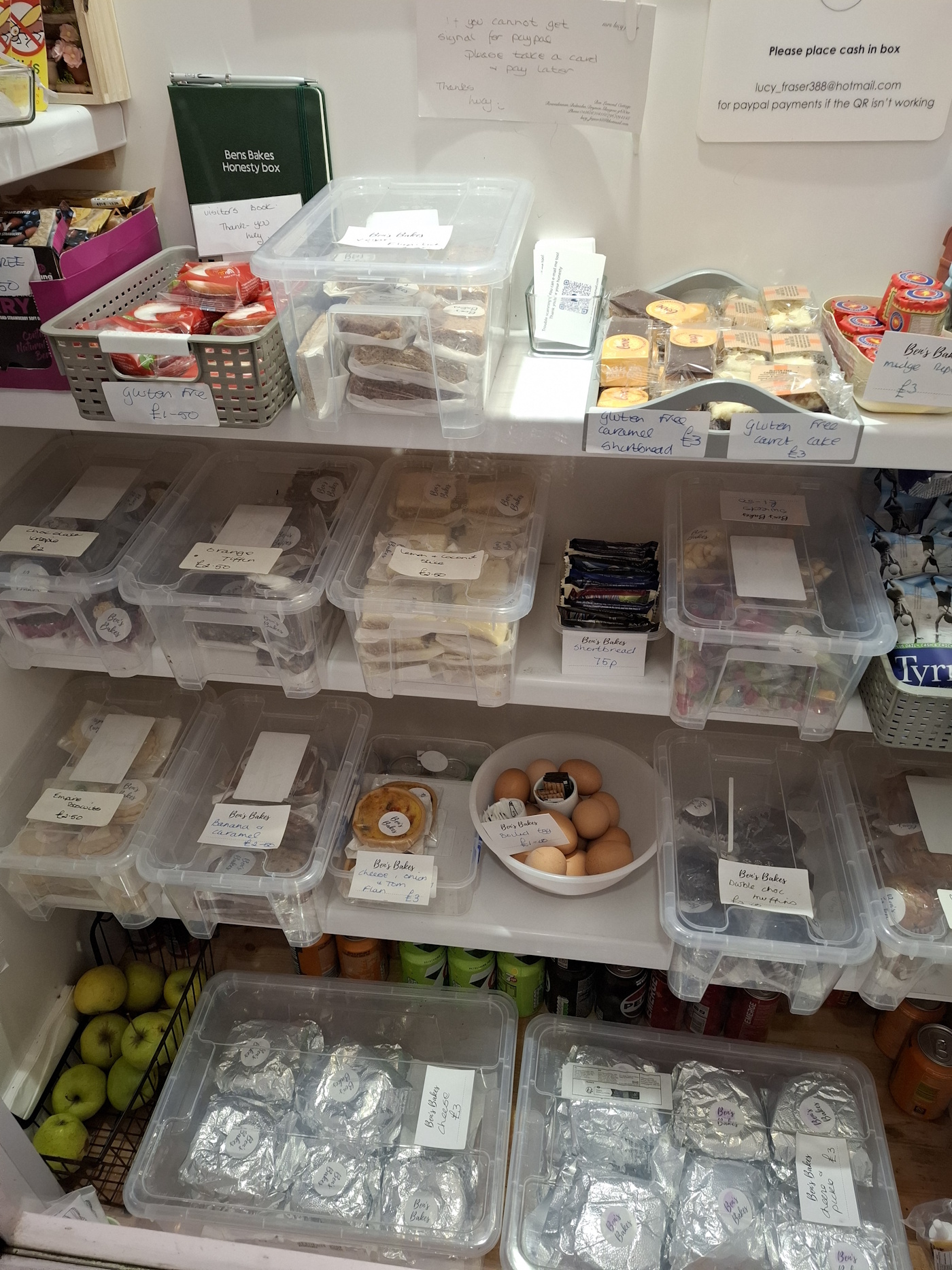
There’s an honesty box not long after this, and a place you can get fresh water. It’s an easy morale boost early on, even if you don’t need anything yet.
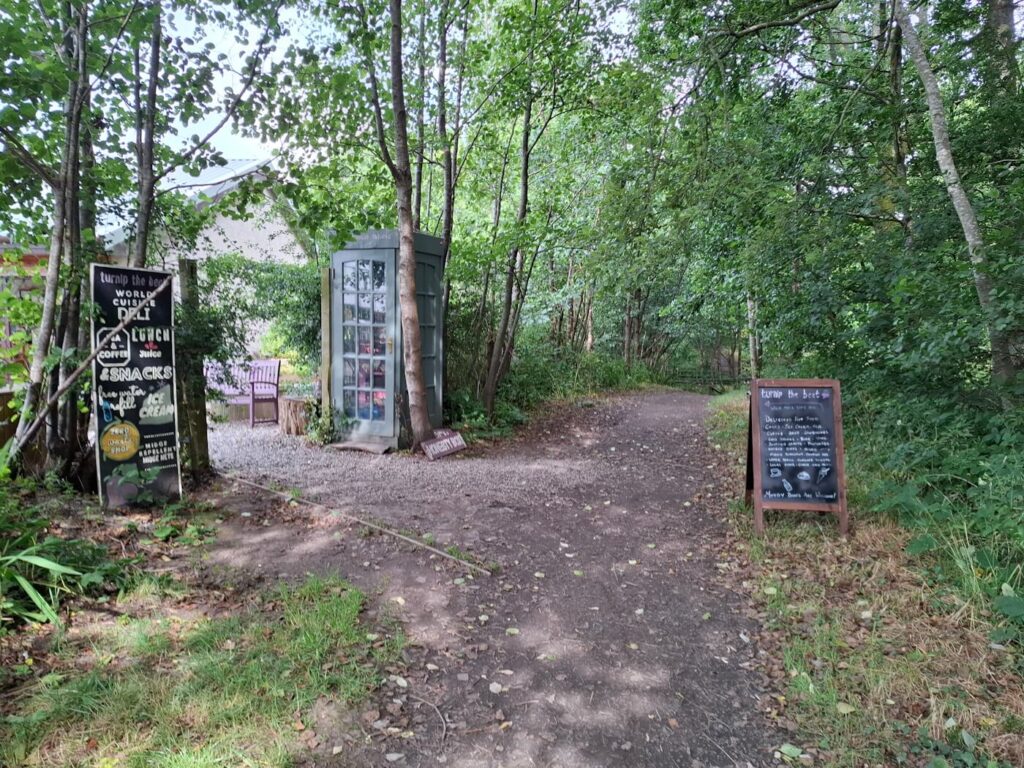
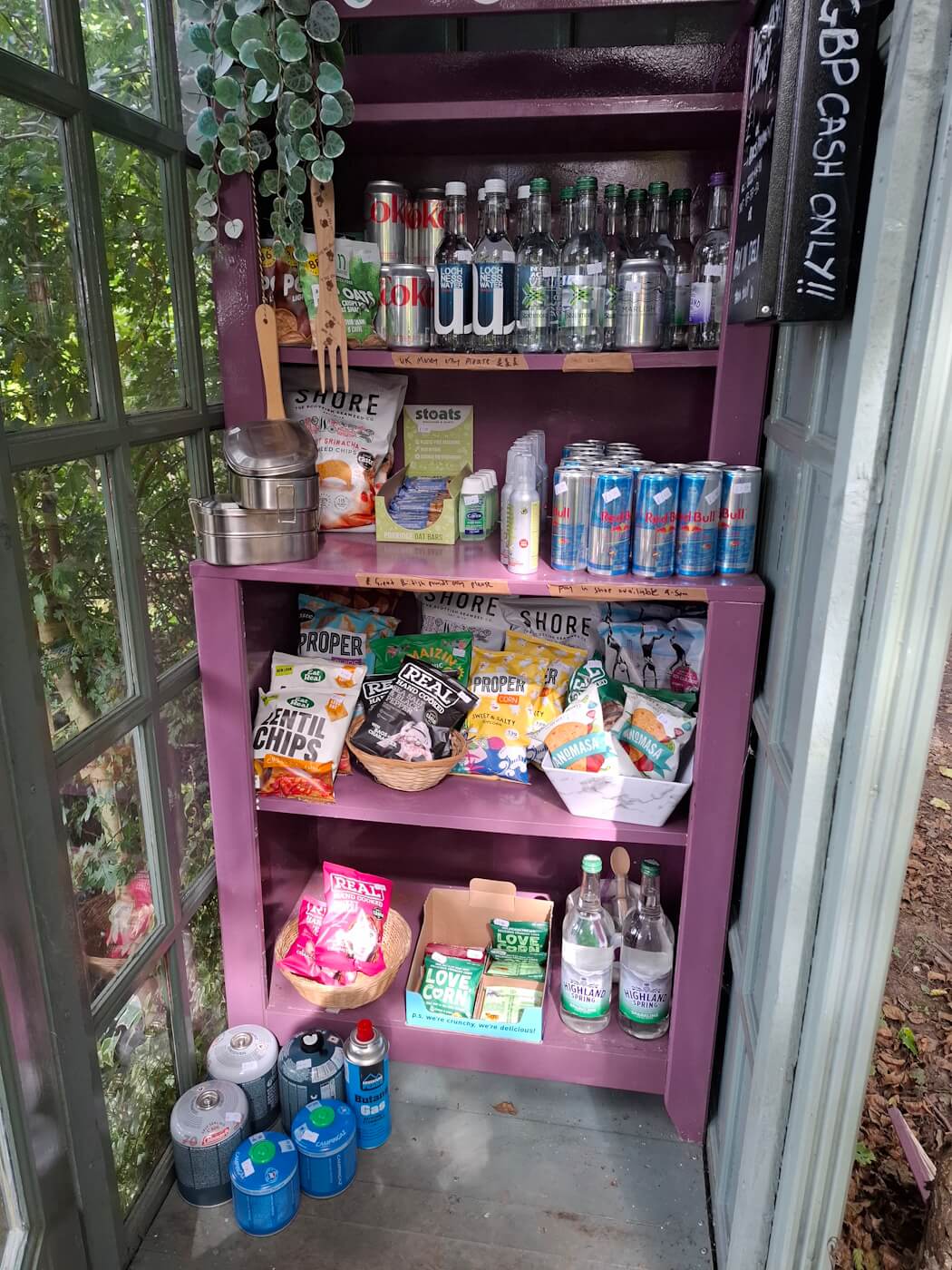
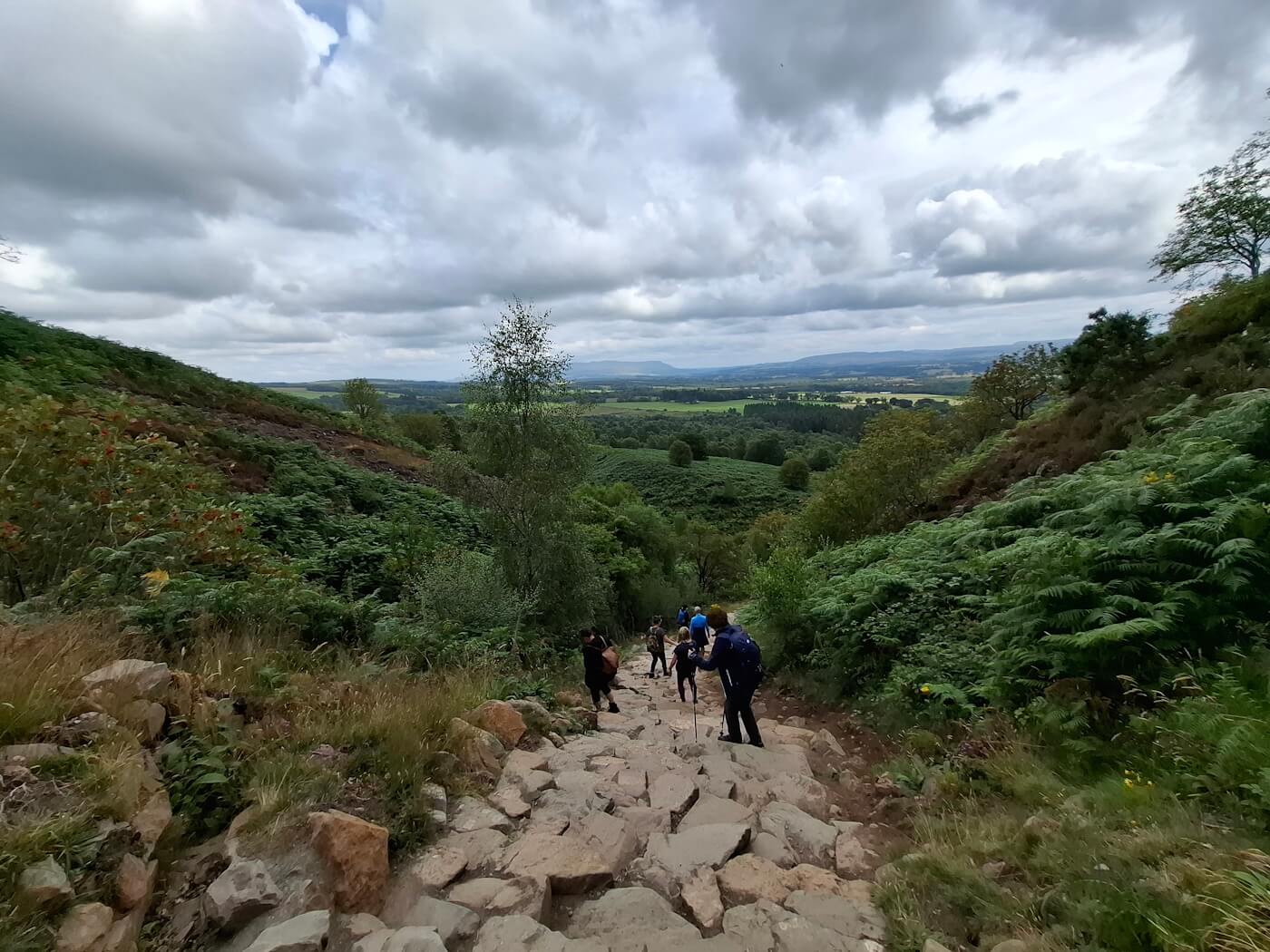
I skipped Drymen and pushed on toward Conic Hill. Some people spend their first night in Drymen, which is a solid option if you’re planning to walk the West Highland Way over seven days or more. On a five-day plan, stopping here would have made the later days much harder.
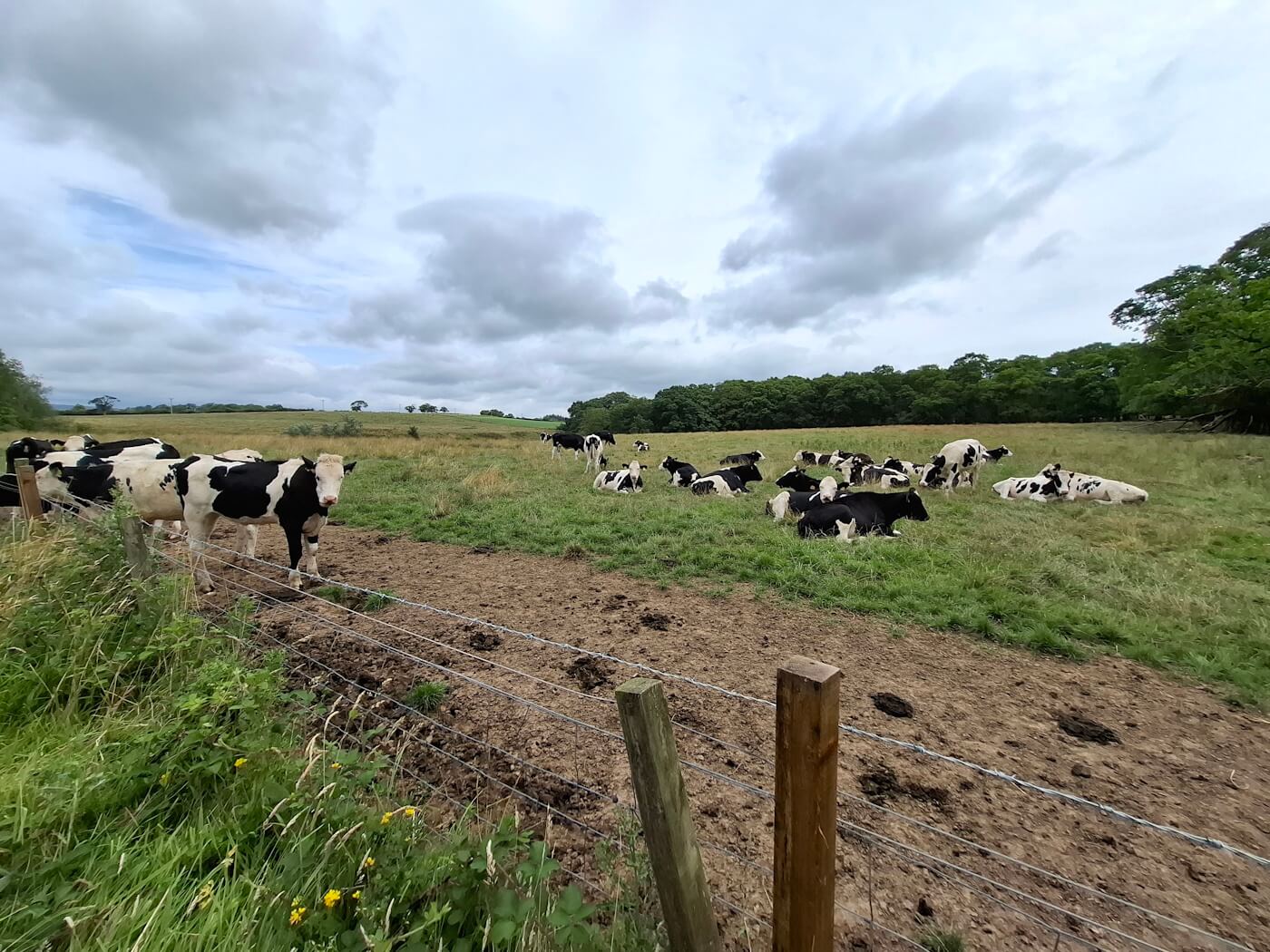
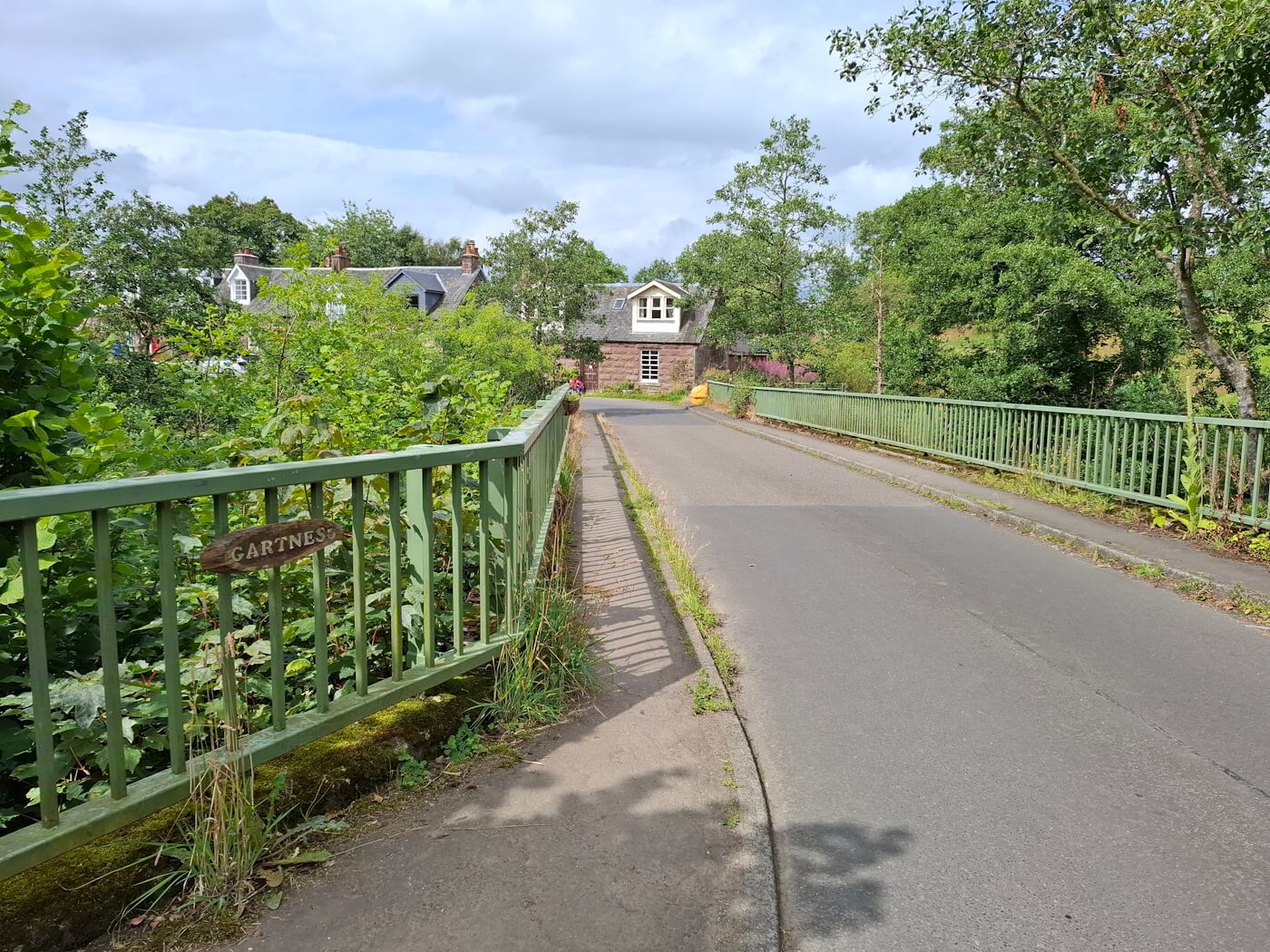
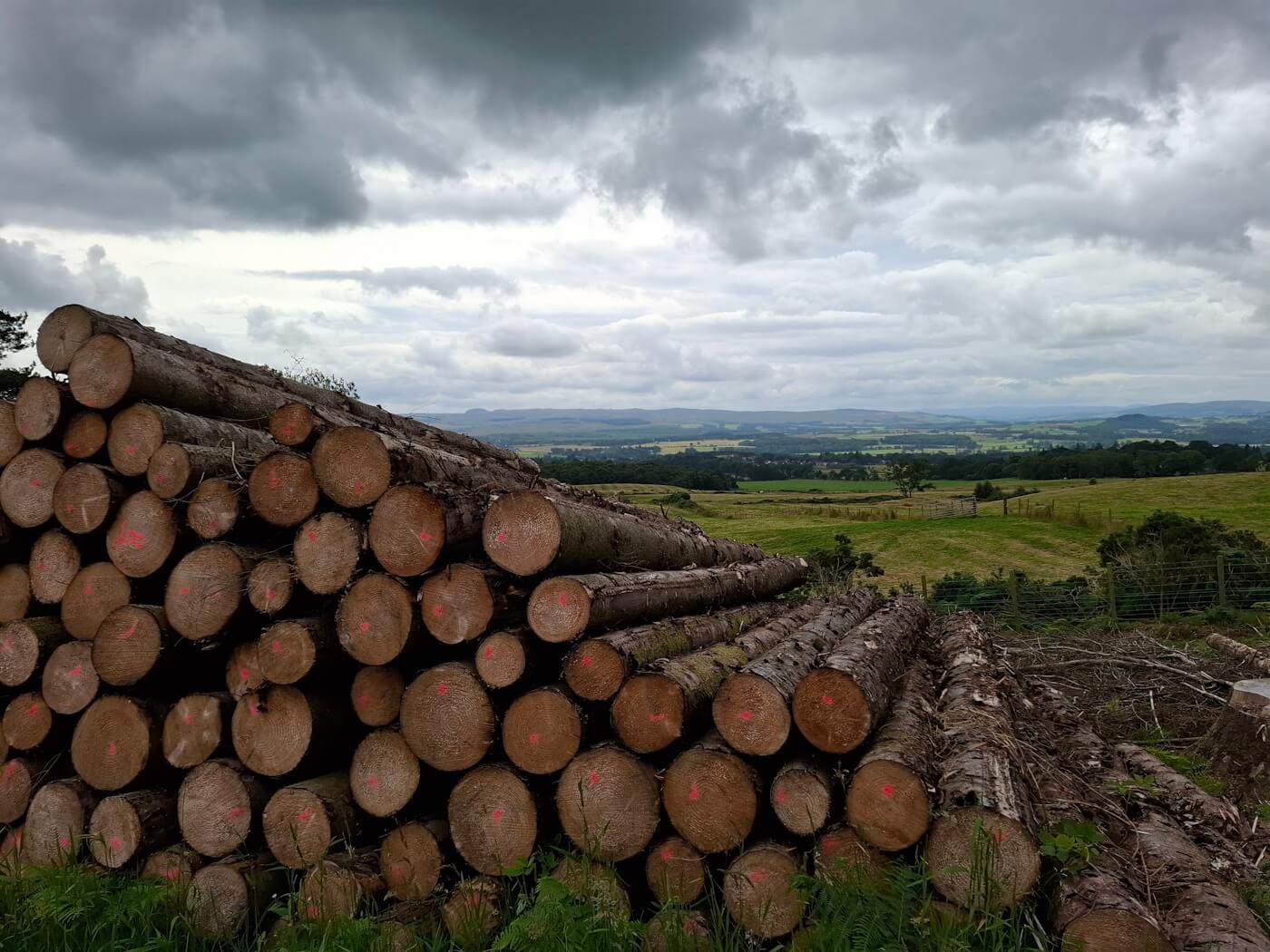
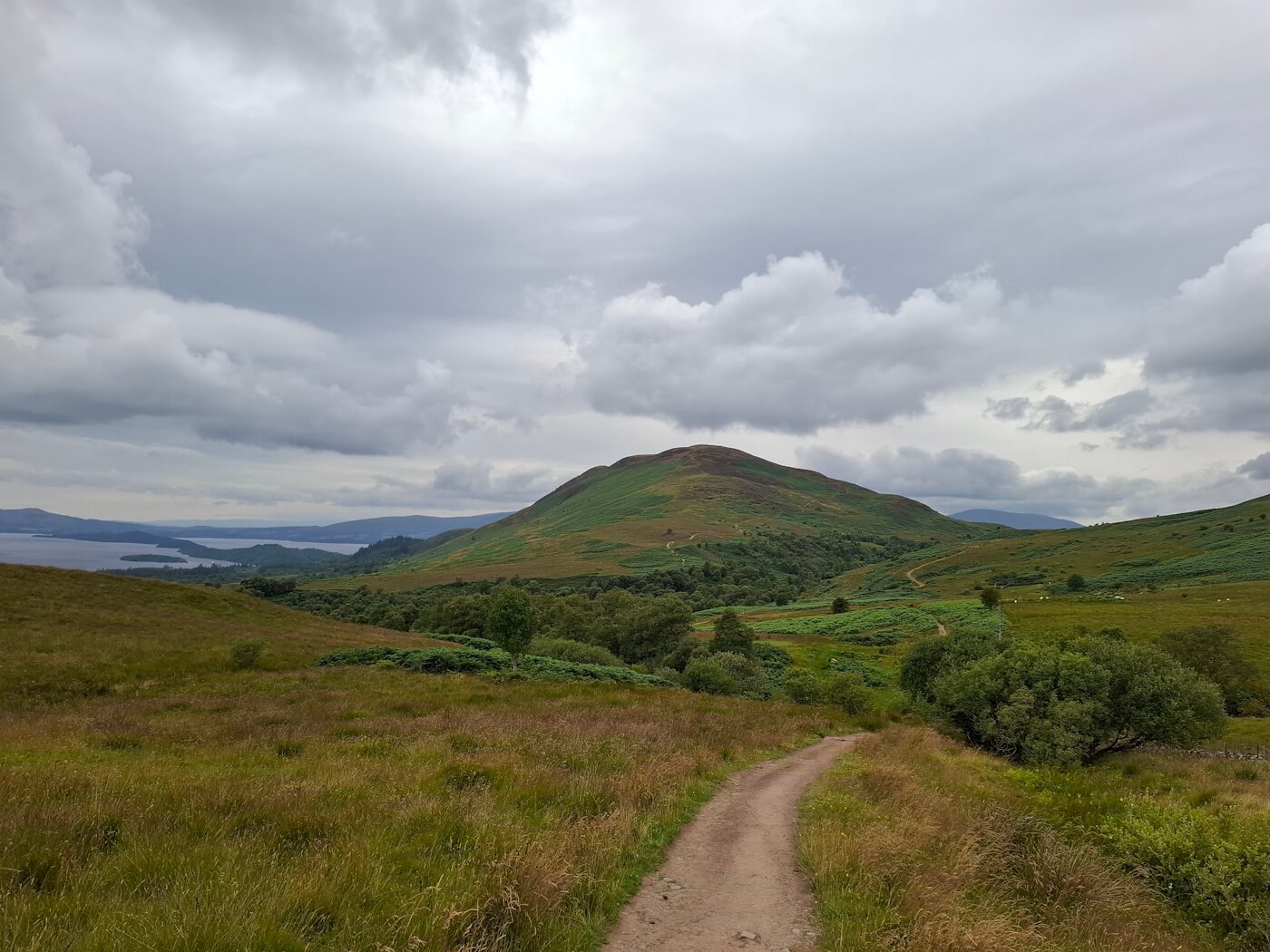
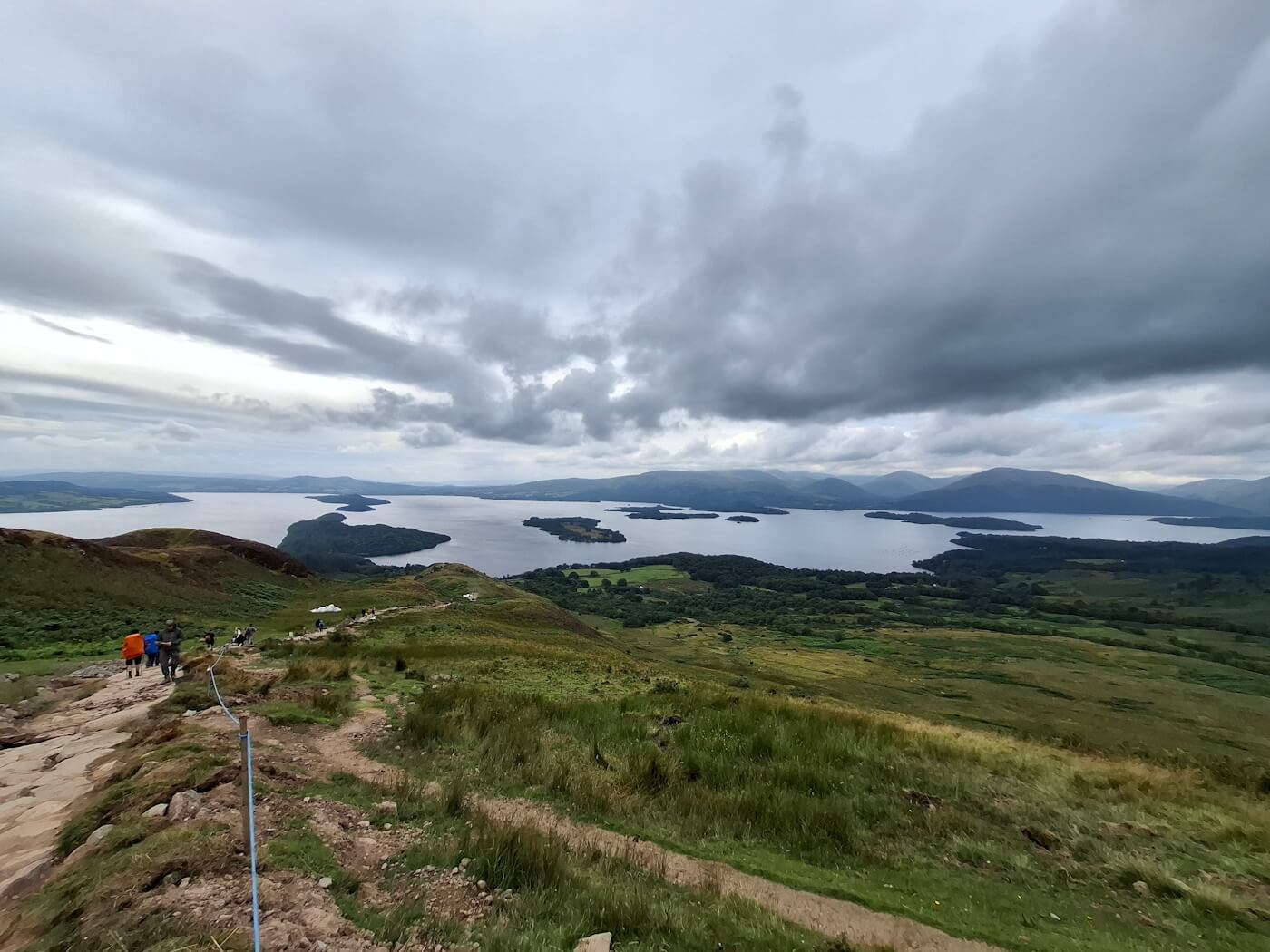
The climb is sharp but short, and the descent into Balmaha gives you your first proper Loch Lomond view. It has one of those magical and memorable views.
The climb is sharp but short, and the descent into Balmaha gives you your first proper Loch Lomond view. It’s one of those moments where the walk suddenly feels real. The beautiful scenery has arrived!
You can find a great wild camping spot before starting the Conic Hill climb if you’re already done for the day.
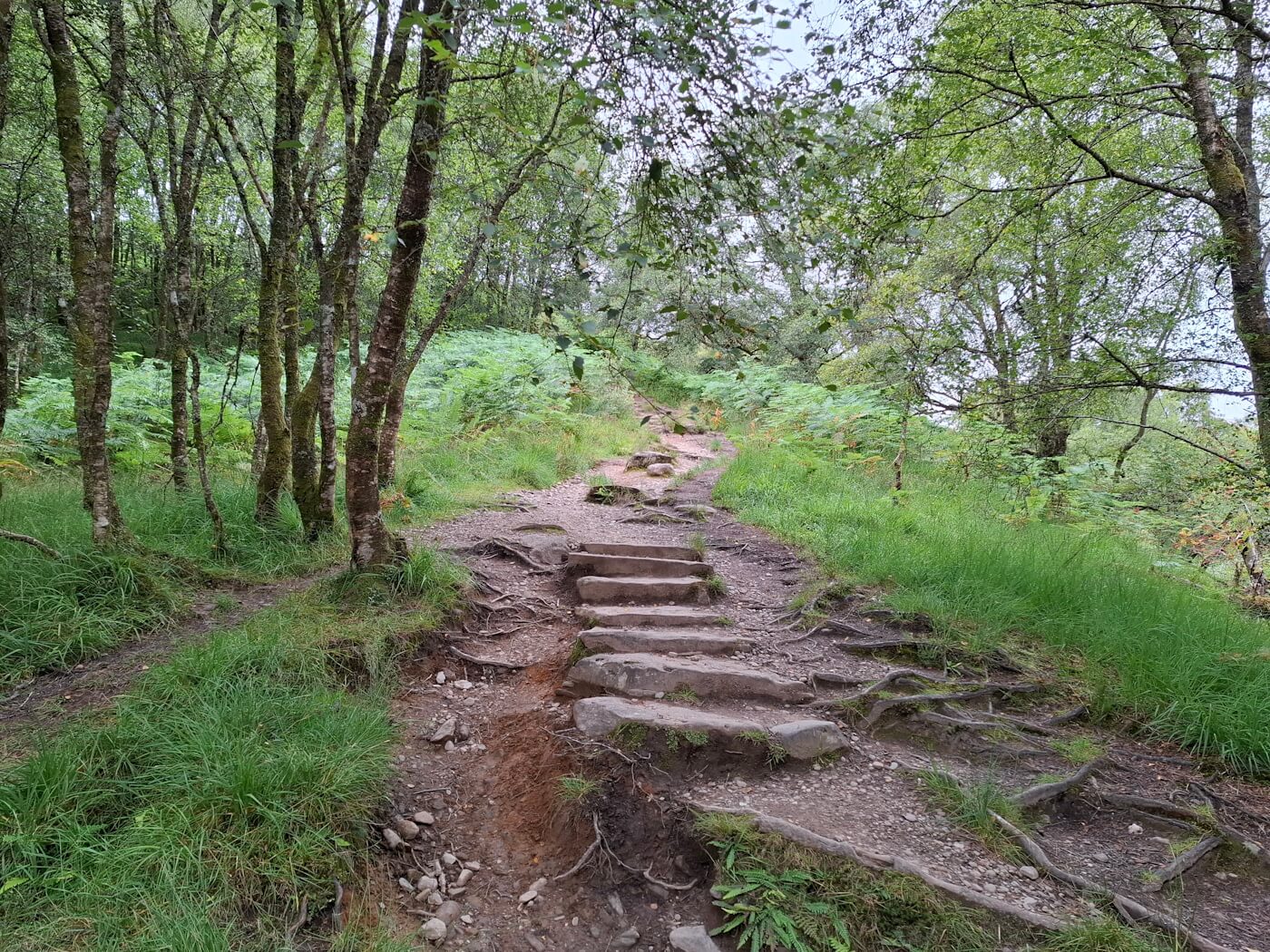
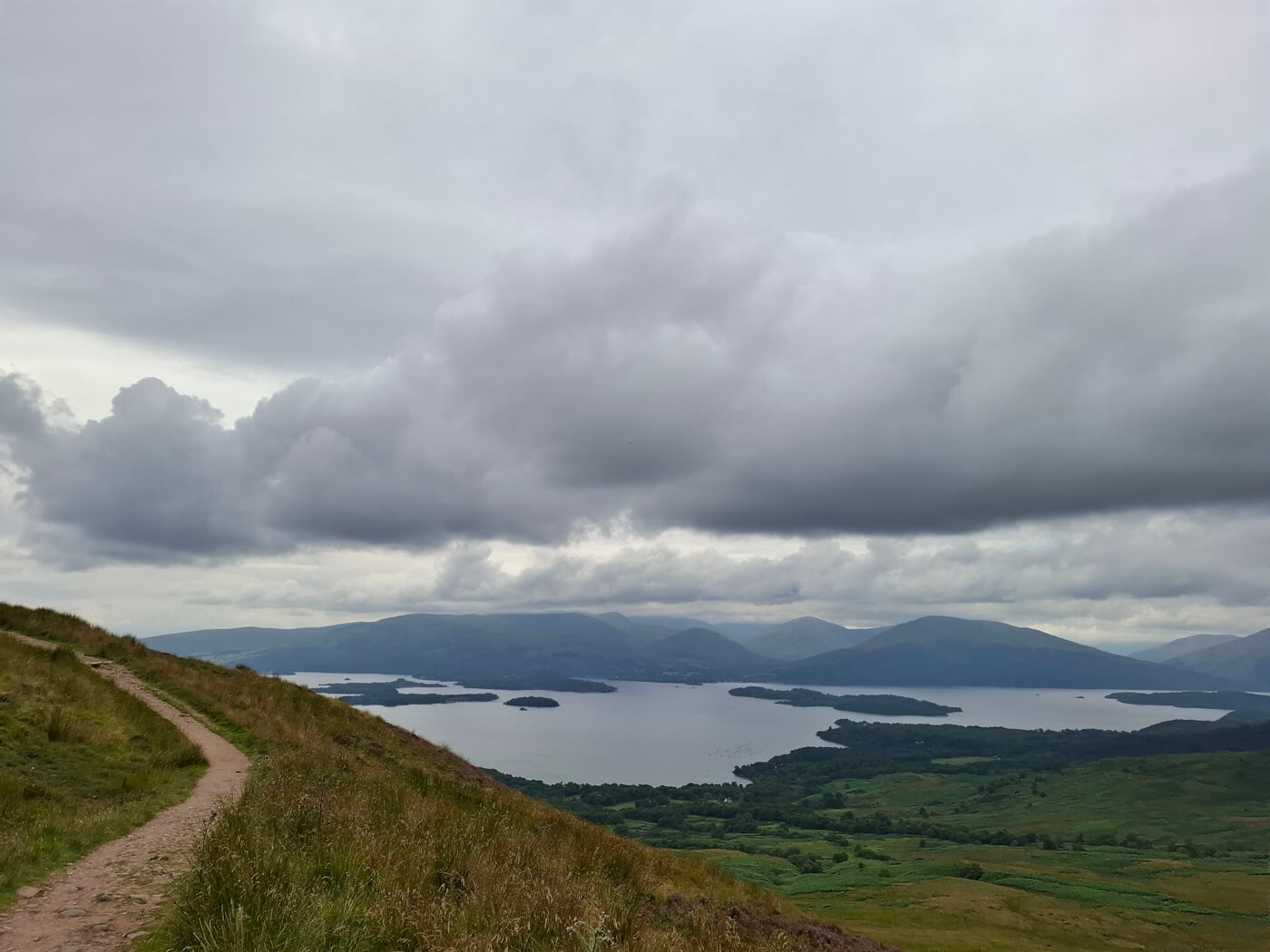
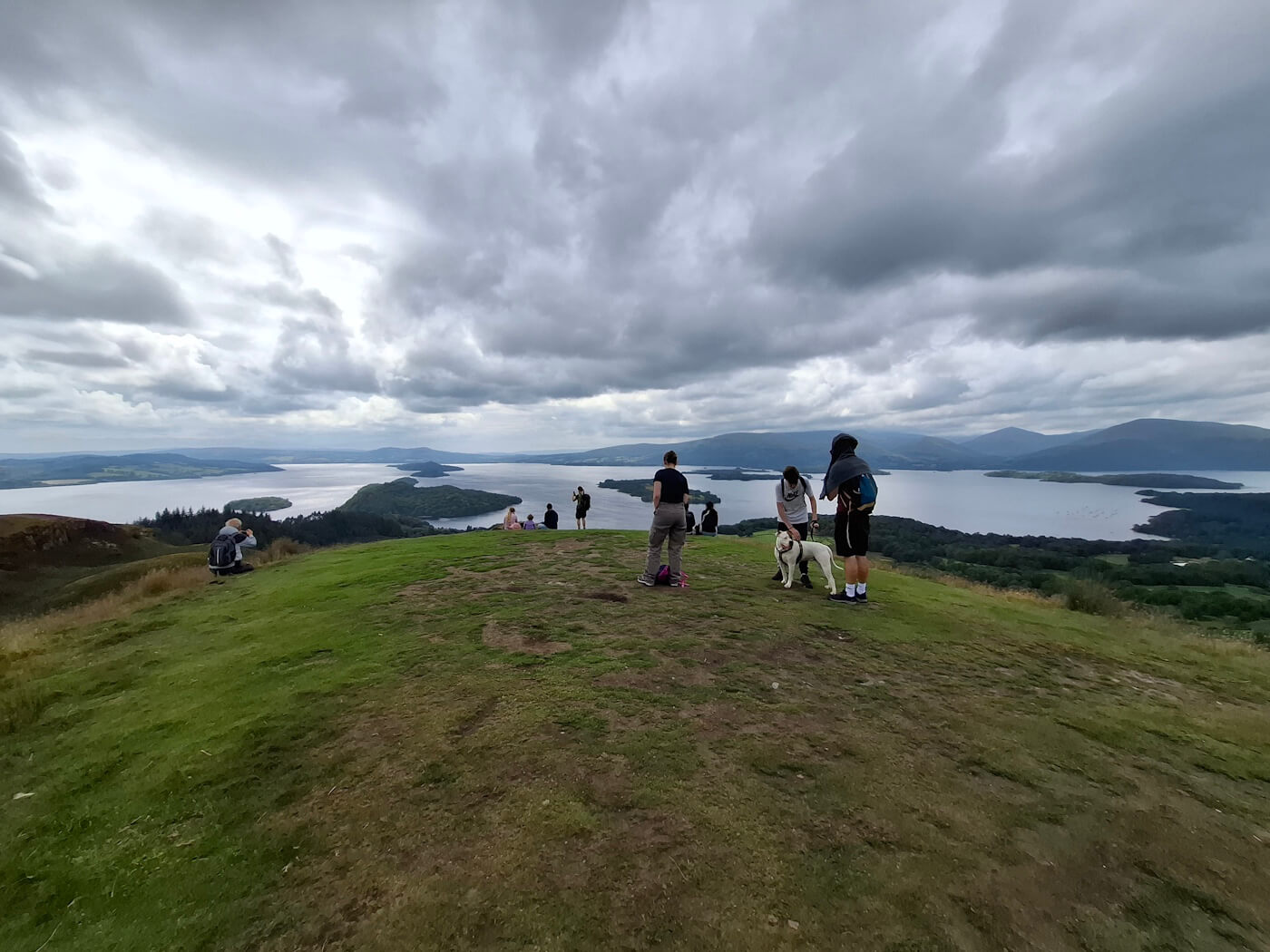
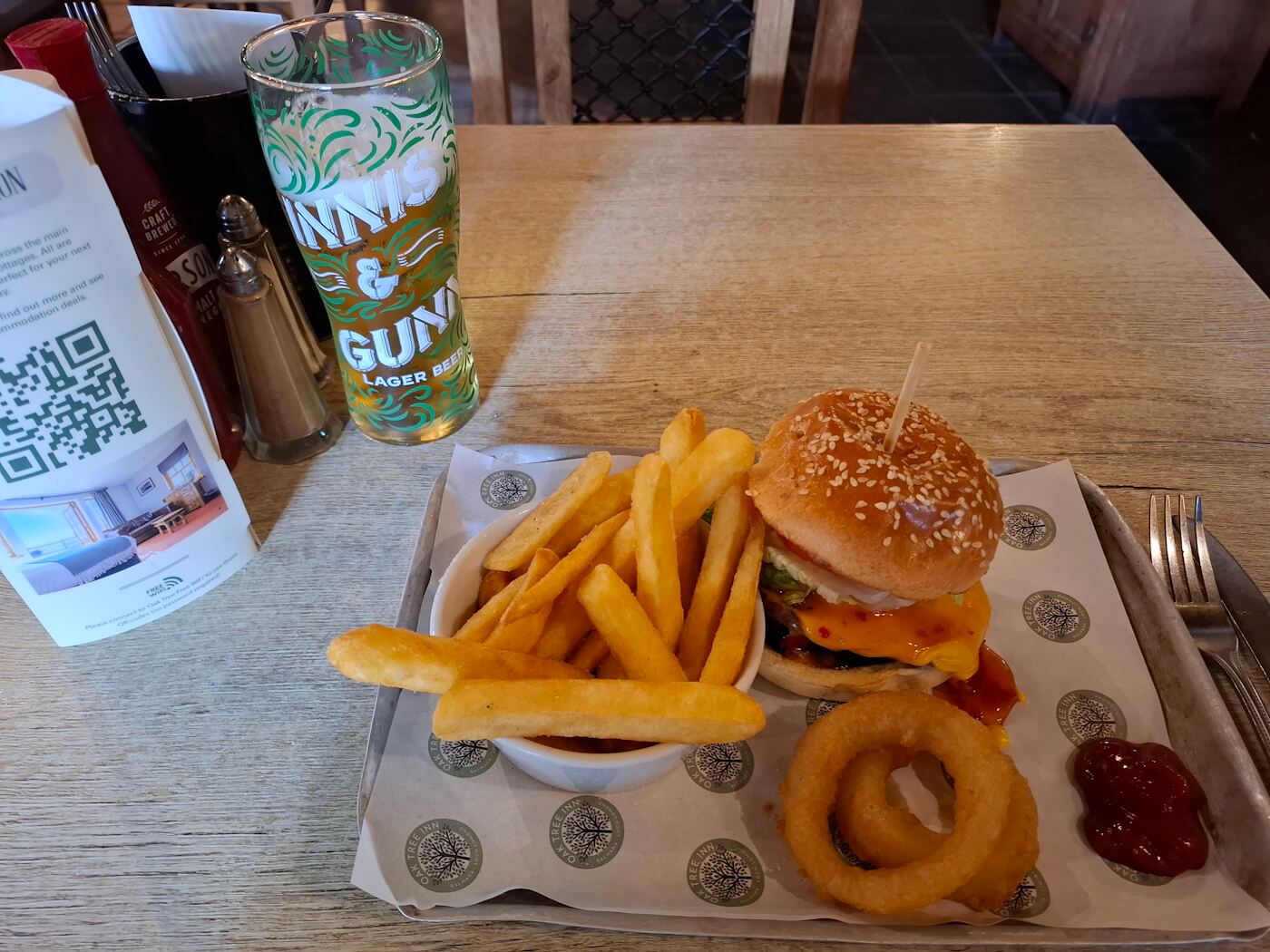
On trails like this, you really want to be recovering at a checkpoint, places with food, toilets, and somewhere to sit. Balmaha was exactly that. I rewarded myself with food and a pint, giving myself at least an hour to properly switch off before setting off again.
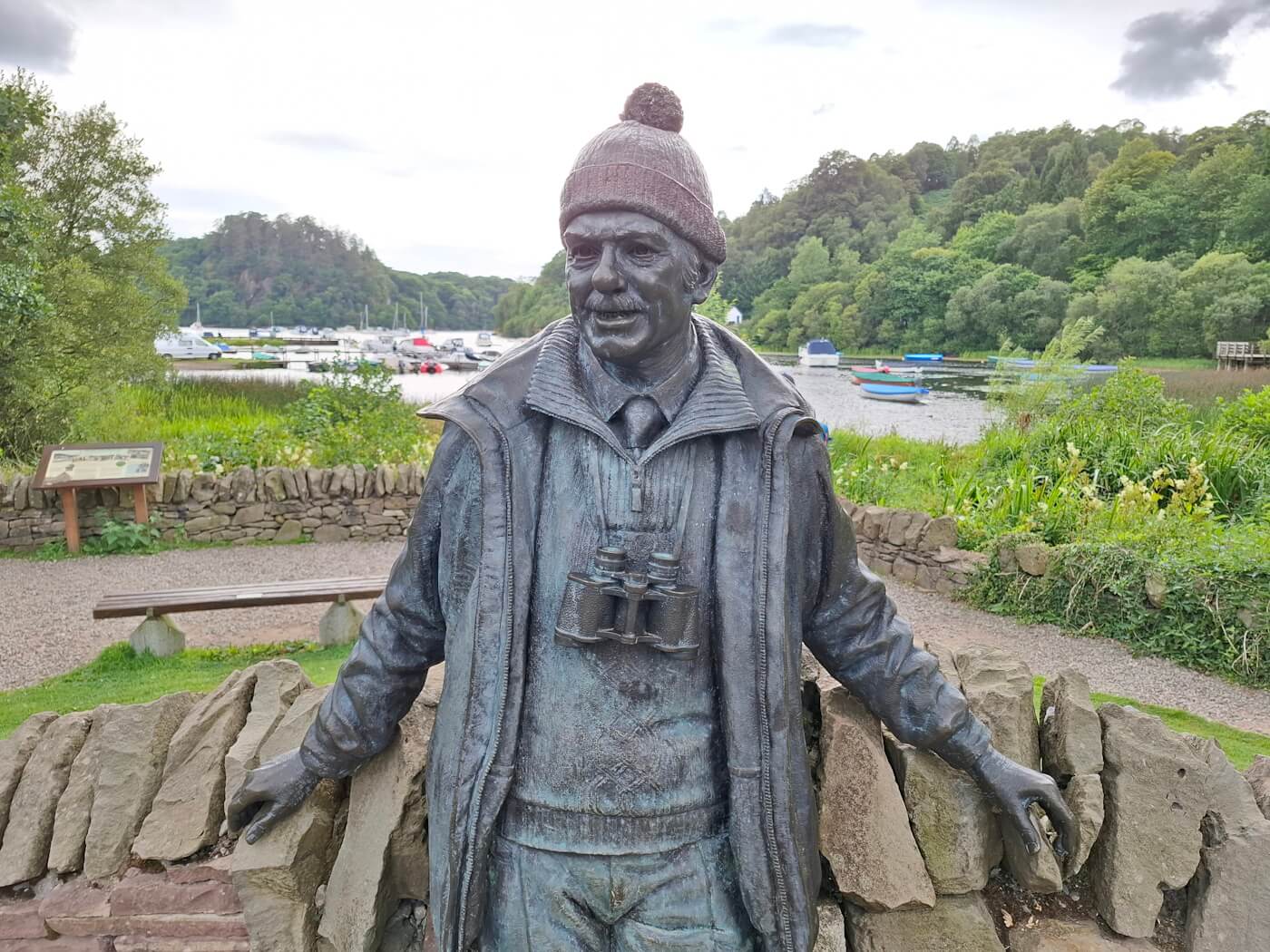
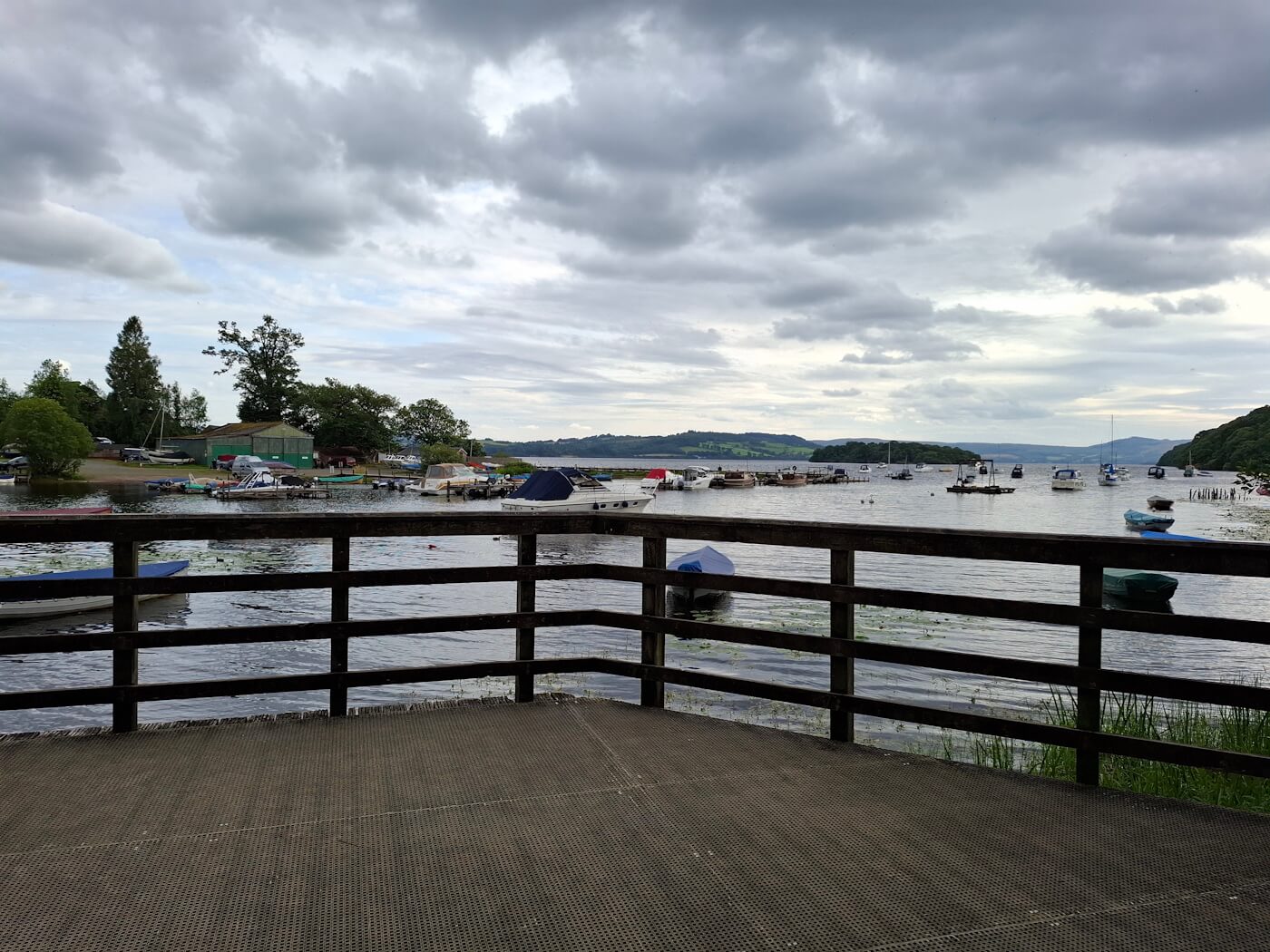
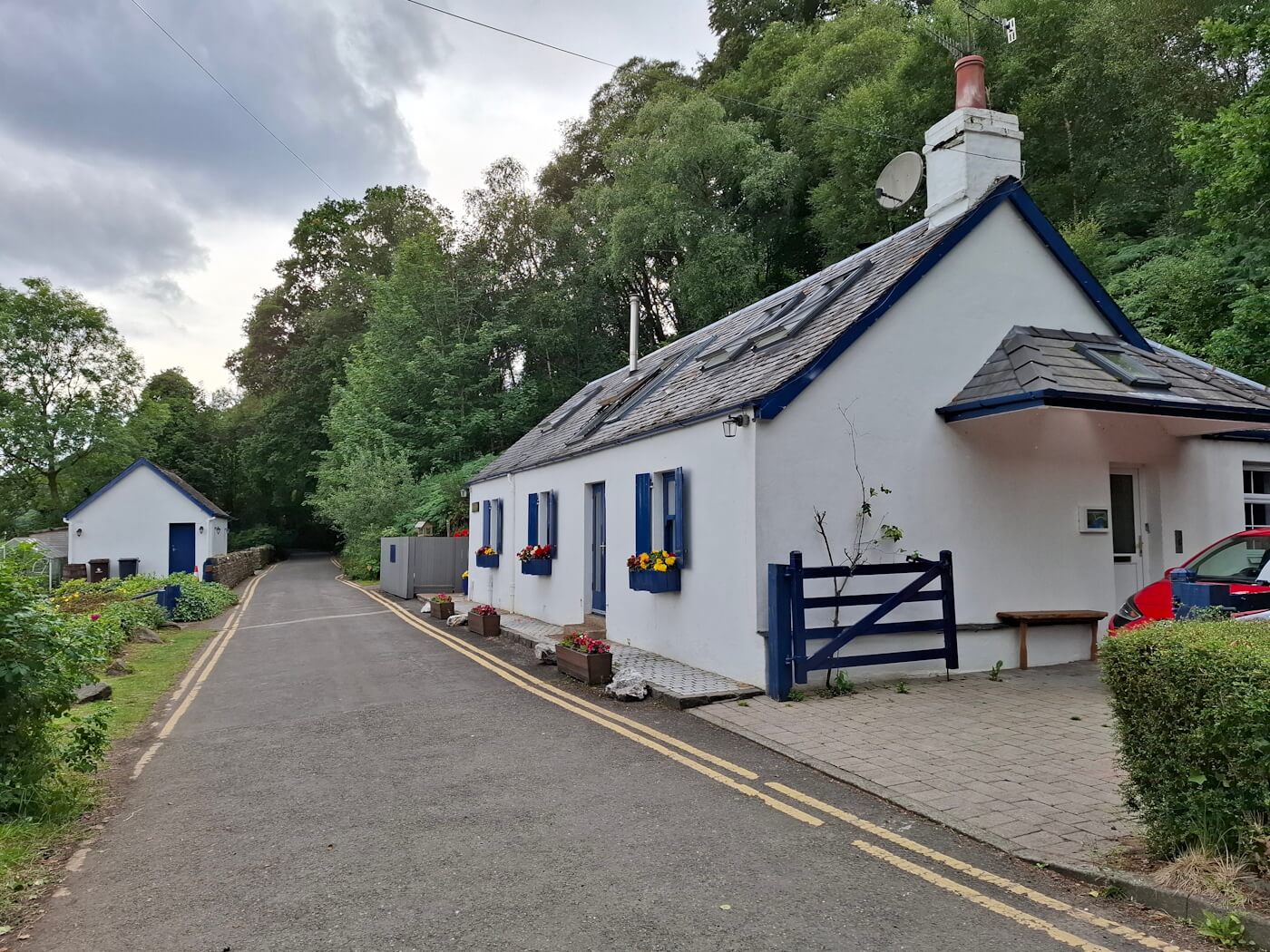
There’s a small but sharp climb getting out of Balmaha over toward Loch Lomond. After that it flattens out for a while, but the miles keep coming. You start scanning the landscape for any excuse to stop. A rock, a bench, even a log suddenly looks inviting.
There’s a campsite along this path where you can book a pitch for the night, worth considering if you don’t want to push deep into the Loch Lomond Camping Management Zone.
The day was getting on and darkness was looming, but I still had that first-day energy. For some reason, consequences feel very theoretical on Day 1. There’s also the Rowardennan Hotel, where you can grab a quick pint (which I did, obviously) or something to eat if they’re not too busy.
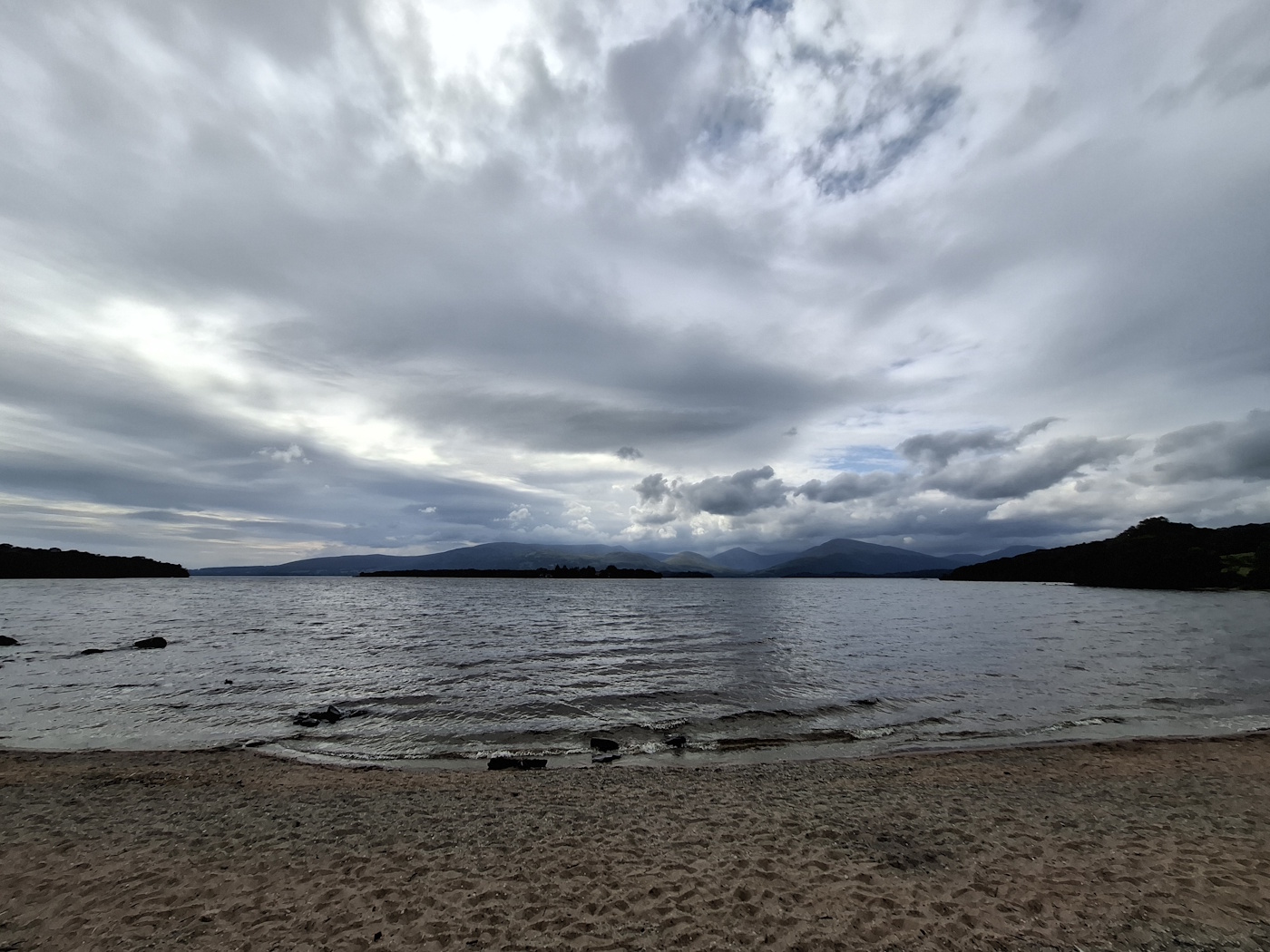
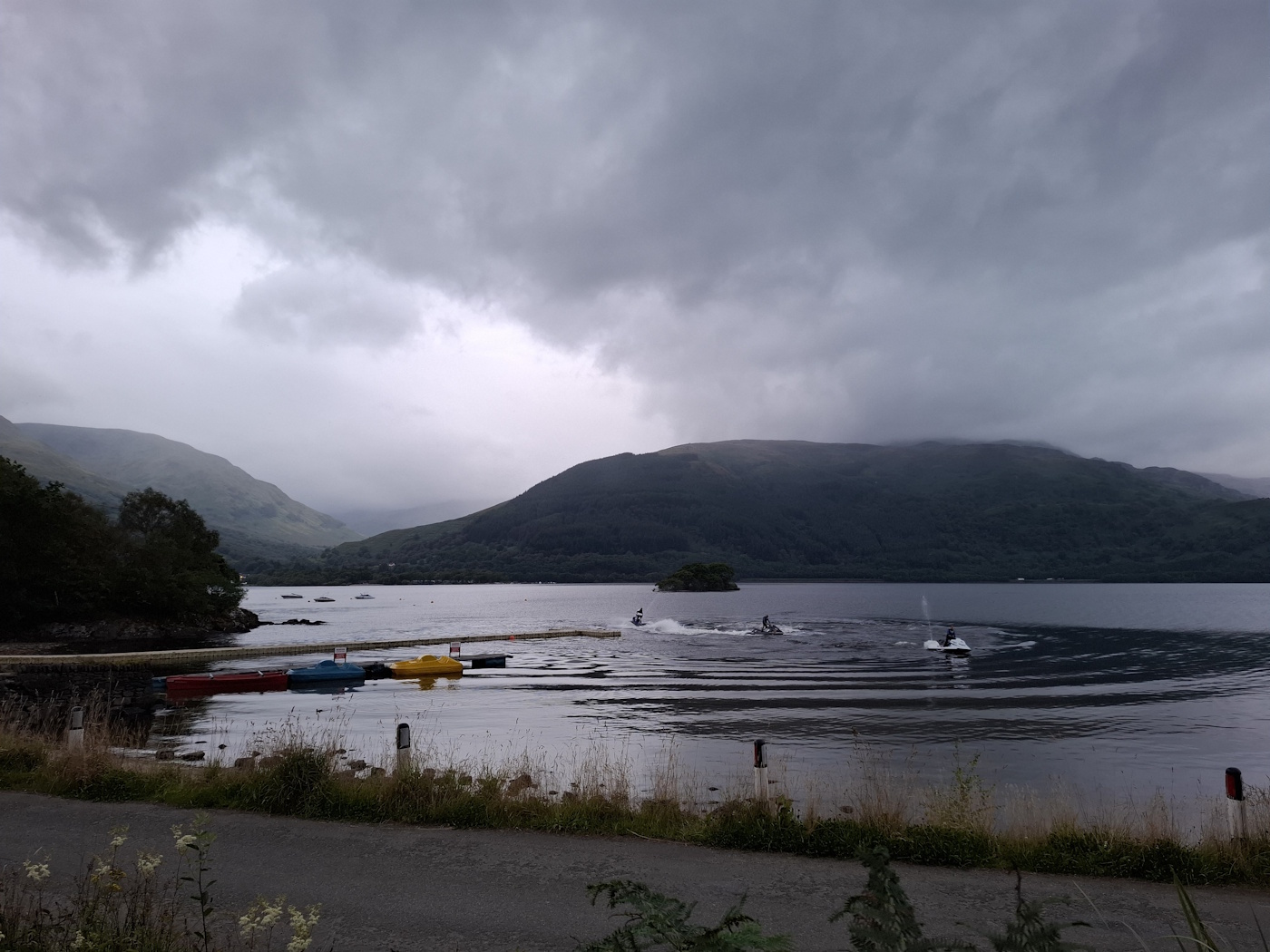
The final stretch dragged. I was waiting for the Camping Management Zone sign, then kept walking longer than I wanted, looking for anywhere remotely usable. Not a good spot. Any spot.
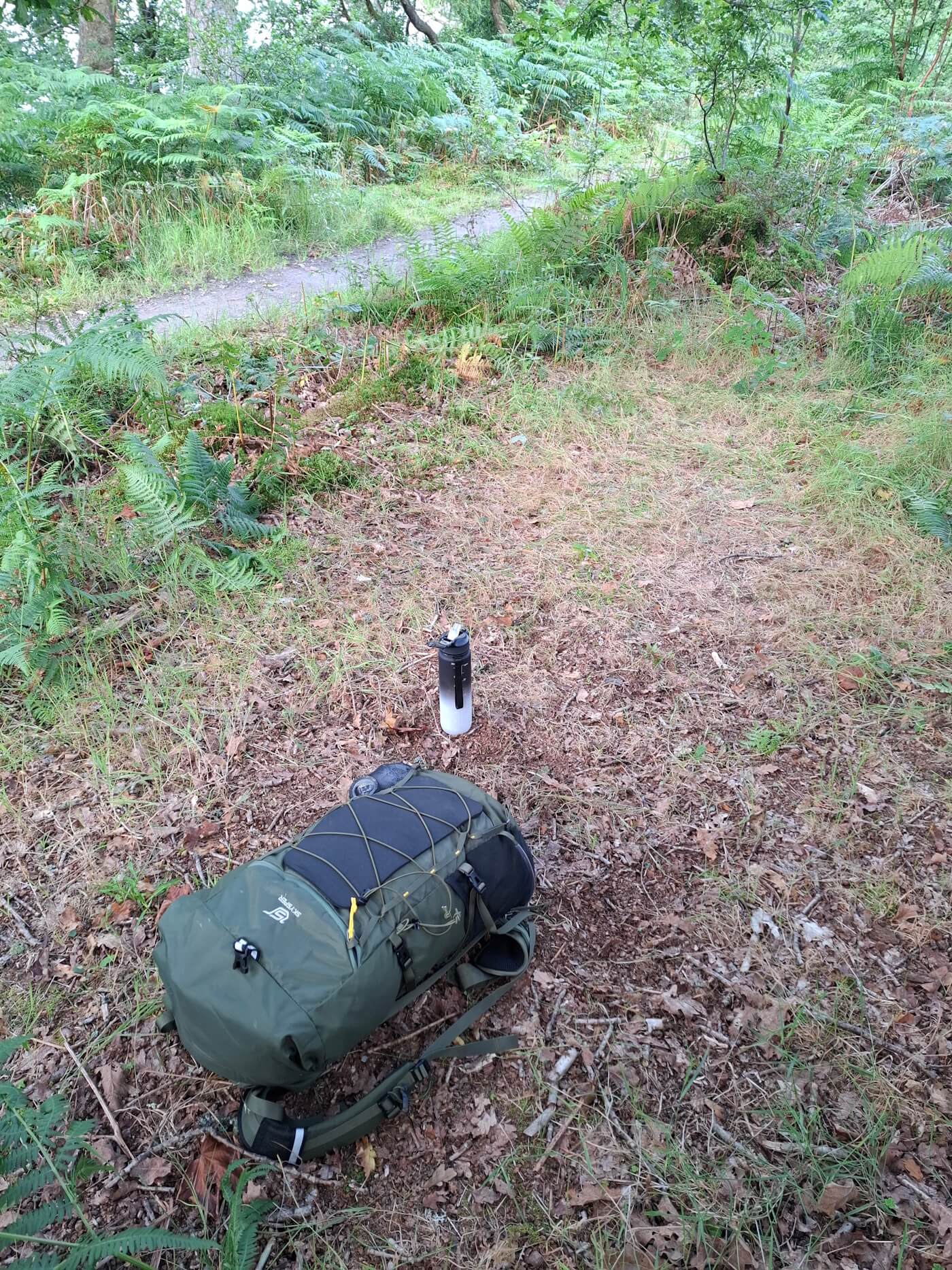
I finally pitched my tent past Rowardennan between 12 and 1am, on a small patch just off the trail. Setting up was a nightmare. I hadn’t packed my tent properly after the last trip, so I spent a solid 30 minutes untangling guy lines by headtorch. When things go wrong at that point in the day, you don’t have options. You just get on with it 👊
⛺ Wild Camping Notes
Wild camping along this stretch is doable, but it can be tricky:
Drymen area: A lot of farmland here, so it’s usually better to aim for a campsite in Drymen rather than trying to force a wild pitch.
Conic Hill: There are some great spots before the ascent if you’re ready to stop for the day. Options drop off quickly once you commit to the climb and descent.
Balmaha: Very touristy and busy, especially in summer, which makes it far from ideal for wild camping.
Near Rowardennan: This section sits within the Loch Lomond Camping Management Zone, so you’ll need a campsite booked if you plan to stop here.
Beyond Rowardennan: If you push on another couple of miles, you can usually find something workable. It might not be perfect, but it’ll do the job when you’re tired.
I could hear walkers passing close to the WHW path in the morning, which tells you how tight some pitches can be. When you’re exhausted, flat ground becomes a luxury. There are better spots further on than where I ended up, but I didn’t have it in me to keep searching.
Wild camping rules around Loch Lomond vary by season and location, and this whole stretch falls within the Camping Management Zone, so it’s worth checking restrictions before you go.
🏕️ Gear I Used
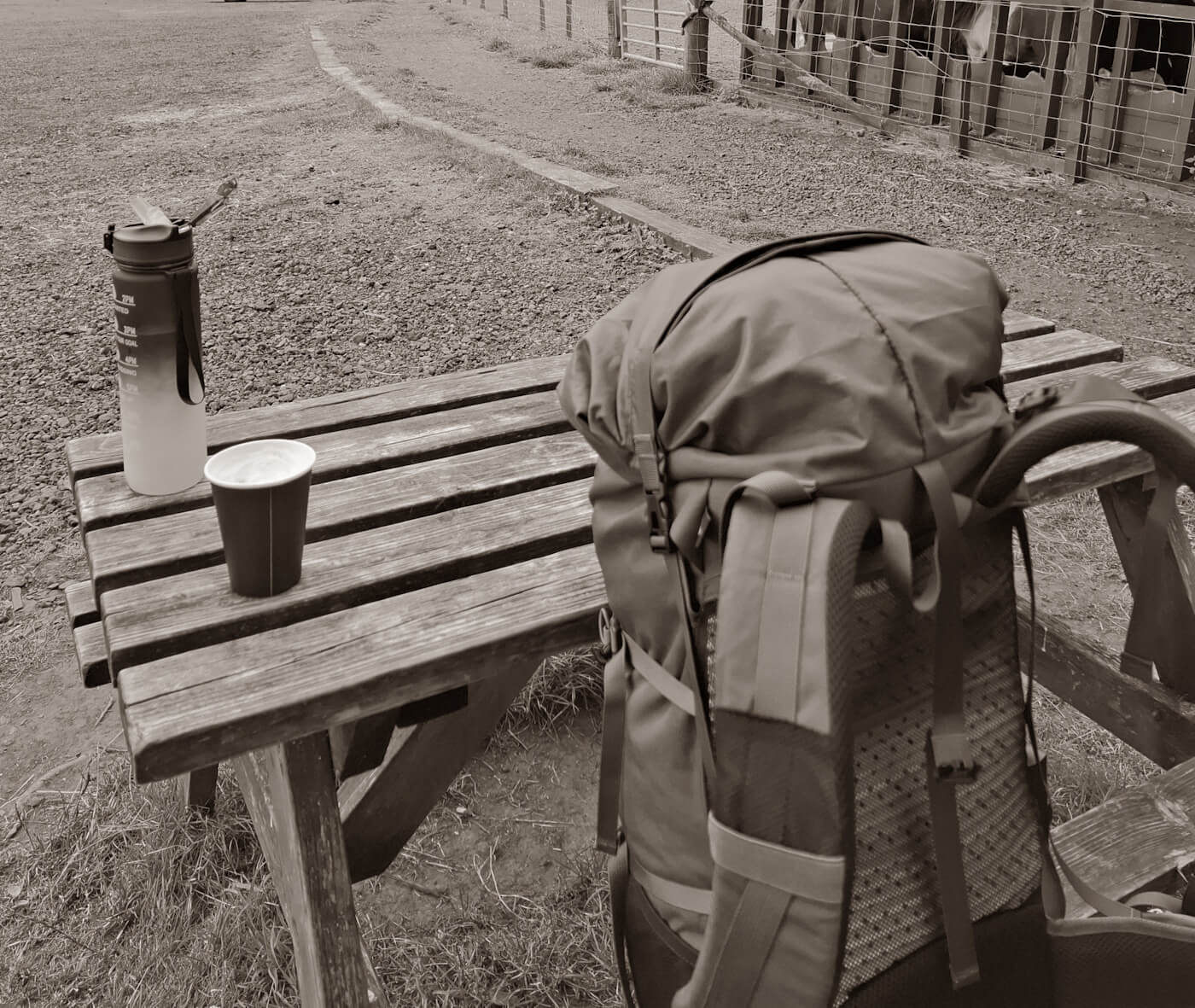
Backpack: SKYSPER Hiking Backpack 50L
Roll-top design, around 1.3 kg. Cheap, comfortable, and tough enough for five long days on the trail. (~£50)
Tent: OEX Bobcat 1
Compact and easy to pitch, around 1.7 kg. Ideal for solo wild camping, especially when you’re setting up late or in poor conditions. (~£120)
Sleeping Bag: Chimera EV 500 Down Sleeping Bag
Duck-down four-season sleeping bag weighing about 1.1 kg. This really came into its own later in the walk when nights got colder. I’ve written a full review of this sleeping bag separately. (~£120)
Sleeping Mat: TRINORDIC Ultralight Inflatable Mat (with pillow)
Around 0.55 kg and packs down small. A huge help for recovery after long days. (~£40)
Stove: Fire-Maple FMS-300T
Ultralight titanium gas stove, only 45 g. Simple, reliable, and perfect for quick coffees or basic hot meals. (~£25)
Gas: Coleman C100 Xtreme
Small butane and propane mix that burns hot even when the weather turns. (~£6)
Several bits of this kit proved their worth as the days went on, especially with colder nights and longer mileage. I’ll reference how each item held up across the rest of the walk and link to deeper reviews where useful.
💡 Tips from the Trail
Don’t overload on food: You pass shops, pubs, and cafés most days. Carrying five days of supplies usually isn’t worth the extra weight on your back.
Skip the heavy extras: Big torches, saws, axes, books, or fishing gear sound nice in theory but quickly become dead weight once the miles add up.
Expect sore feet early on: The first couple of days are an adjustment, even if you’re fit. Take it steady and let your body settle in rather than chasing miles.
It’s not a race: Even on a quicker itinerary, the value is in being outside and moving through the landscape, not just ticking off distance.
Build in a buffer: If something goes wrong or you need an unexpected rest day, having time in hand makes a huge difference.
💭 Final Thoughts
Day one is a test. It’s long, busy in places, and the Conic Hill climb is a real introduction to what the West Highland Way can throw at you. But pushing on to Loch Lomond and camping out there makes it feel properly underway.
Day 1 was long and brutal, but the hardest part wasn’t the distance. It was committing to the walk and settling into the rhythm. Once that clicks, everything else feels possible.
On Day 2, I take on the tough low route along Loch Lomond, one of the slowest and most demanding sections of the entire trail, before finally getting some proper rest beyond Inverarnan.
Read Day 2 here → Link


Leave a Reply