
Most of the things that improved my life didn’t arrive as big decisions or turning points.
They showed up slowly. Quietly. Almost unnoticed at the time.
Looking back, the real changes weren’t dramatic at all. They were small adjustments that reduced noise, increased margin, and made life easier to live day after day.
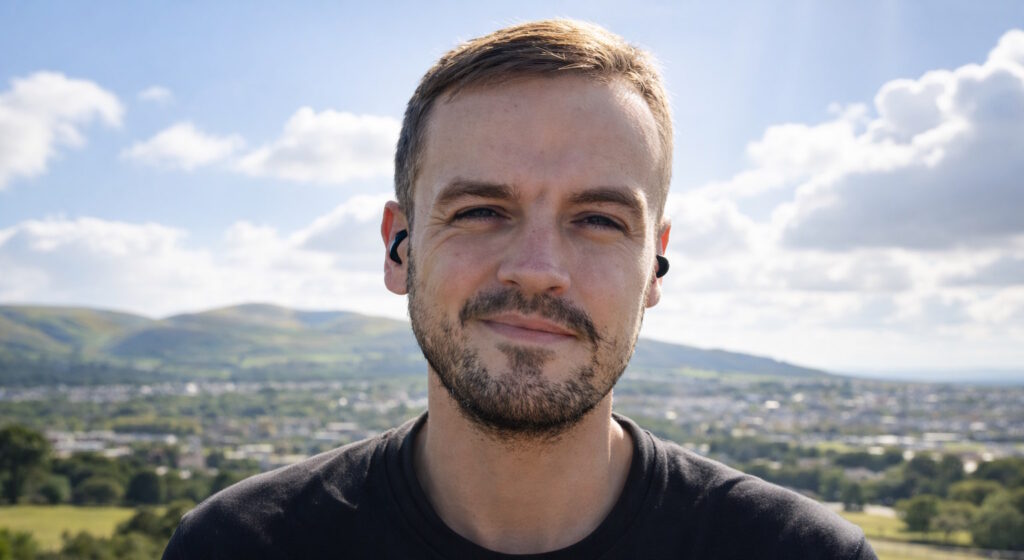
Walking more
Walking didn’t start as fitness for me. It started as being dragged into it.
Years ago, a partner at the time convinced me to walk from Dunbar to North Berwick. I wasn’t ready for it, physically or mentally. Five and a half hours of relentless forward movement, nowhere to hide, nothing to distract myself with. By the end, we got a taxi back. I was done.
But she planted something. Not intentionally, just by showing me what was possible.
What followed surprised me. Walking became my thing. I took it further, made it my own. Short walks turned into longer ones. Day hikes turned into camping. Eventually, I went from struggling on that coastal path to walking from Glasgow to Inverness with nothing but a bag on my back, wild camping along the way.
That progression wasn’t about toughness. It was about adaptation.
Now, the value of walking shows up much earlier. These days, a short walk is enough. Up a local hill in Edinburgh. Out the door for ten minutes. You feel the shift almost immediately, the same clarity you get after a good gym session, but quieter.
More space. Fewer thoughts fighting for attention.
Walking taught me that you don’t always need distance to reset your head. Sometimes you just need to leave your door and keep moving long enough for the noise to drop.
Protecting my attention
I’ve never been a heavy scroller, but I became more deliberate about what I let in.
Late at night especially, even a small amount of the wrong input keeps your nervous system switched on when it needs to settle. Cutting that back didn’t make me more productive — it made me calmer. Mornings improved. Sleep improved. Decision-making improved.
What mattered more than time spent was content. I started protecting what I see. Muting things that wind me up. Hiding content that adds noise instead of value. Being intentional about what I allow into my head when I’m already tired.
Some apps just aren’t built for a calm life. I’ve stepped away from a few entirely. Not as a statement, just as a practical choice.
Nothing heroic. Just fewer inputs at the wrong time, and a bit more control over what I carry into the next day.
Trusting weeks instead of days
I stopped judging progress by individual days.
Some days are flat. Some are messy. Some feel like backwards steps. When I started zooming out to weeks, even months, a lot of unnecessary pressure disappeared.
Bad days stopped needing explanations. Good days stopped needing celebration.
What mattered more was the direction things were moving in.
As long as I was taking the right steps, even small ones, the overall trajectory could be trusted. Most of the time, the things that sat in the back of my mind weren’t complicated or difficult. They were just uncomfortable to start.
When I finally did them, the resistance usually evaporated within minutes. Not because the task was easy, but because the fear around it had been doing most of the work.
Consistency became easier once I stopped demanding proof every 24 hours and started trusting the longer arc.
Replacing bad habits instead of fighting them
I’ve always had an addictive personality. For a long time, that worked against me.
What eventually changed things wasn’t willpower or restraint. It was time, and finishing chapters properly. Most of the habits I let go of weren’t cut out overnight. I stayed in them long enough to see exactly what they gave me, and exactly what they took away.
Eventually, they exhausted themselves.
When the alignment shifted, continuing stopped making sense. Not morally, just practically.
What mattered after that wasn’t removal, but replacement. Every habit I dropped was replaced with something that gave me structure instead of escape.
Fitness replaced substances.
Routine replaced chaos.
Walking replaced rumination.
You don’t remove patterns. You overwrite them.
Making physical health non-negotiable
Physical fitness became the foundation for everything else.
Not because of how it looks, but because of how it feels to live in a regulated body. When movement, sleep, and basic nutrition are in place, everything else becomes easier to manage.
For me, that looks simple. Gym classes a few times a week. Hiking and camping when I can. Getting outside and using daylight properly, especially through winter when it’s easy to retreat indoors.
Food turned out to matter more than I expected. Not in a strict way, but in a cumulative one. When I keep it simple and avoid ultra processed stuff where I can, my energy is steadier, my mood is calmer, and my thinking is clearer.
Nothing rigid. Nothing extreme. Just eating in a way that supports the life I want to live.
This one change quietly improved every other area of my life.
Learning to let go
Books helped, but they weren’t the solution on their own.
Letting Go, Let Them, and years of self reflection gave me language for things I was already feeling. What actually did the work was time, combined with consistency. Showing up the same way long after the initial emotion had lost its intensity.
Hard periods don’t pass just because you understand them. They pass because you keep living well while they slowly lose their grip.
There’s a version of you five years from now who barely recognises the weight you’re carrying today. Not because you ignored it, but because you didn’t keep feeding it.
Lower level emotions like guilt, resentment, and anger are expensive. They cost energy. They distort judgement. They slow you down.
Leading with love for myself and others turned out to be far more practical than holding onto anything heavy.
Not chasing what I can’t control
I stopped chasing outcomes I couldn’t directly influence.
Promotions. Timing. Other people’s choices. Approval.
For a long time, I treated those things as signals of progress. When they didn’t move, I assumed I needed to push harder or prove more. That created tension without actually changing anything.
What eventually helped was letting go of expectations around how things should unfold. Life got lighter once I stopped preloading outcomes and allowed things to develop in their own time.
My focus narrowed. Showing up well. Staying consistent. Doing the work that was in front of me, even when no one was watching. Trusting that direction matters more than speed.
Once I stopped managing results, effort became easier. Decisions got cleaner. I spent less time replaying conversations or second guessing paths that weren’t mine to control in the first place.
Things still take time. Some things don’t arrive at all. But life moves more smoothly when you drop expectations, stop gripping the result, and put your energy into what you can actually shape.
Things tend to work out better when you give them space.
Patience as a skill
Patience didn’t come naturally to me. It was learned.
Plans helped. Thinking in longer horizons helped. Five years was far enough away to remove urgency, but close enough to stay real. Trusting that steady effort compounds took pressure off individual moments.
Once I stopped rushing, life stopped feeling like something I needed to keep up with. Decisions became easier. Progress felt quieter, but more reliable.
Patience turned out not to be about waiting. It was about trusting direction and giving things enough time to unfold.
The common thread
None of these changes felt dramatic at the time.
Most of them felt ordinary. Some felt unnecessary. A few felt too small to matter.
But together, they reduced noise, increased stability, and made life easier to maintain.
That’s the kind of progress I trust now.
Leave a Reply