If you’re dropping into this series here, go back and read Day 2 first. It sets up everything that happens next.
Leaving my wild camp beyond Inverarnan on the morning of Day 3 felt like a reset. I actually sleep well in the wild, sometimes better than at home, but camping close to the A82 and the West Highland Line meant I never quite got that proper stillness you hike for. It wasn’t uncomfortable, it just lacked that moment where you stop, listen, and realise there’s absolutely nothing around you except nature. Alright for a night, but not quite the full experience.
This stage marked a transition away from Loch Lomond and into open glens and wider landscapes. It was also a personal milestone. My failed West Highland Way attempt the year before had ended at Tyndrum, so passing through it today meant I was officially further north than I’d ever managed before.
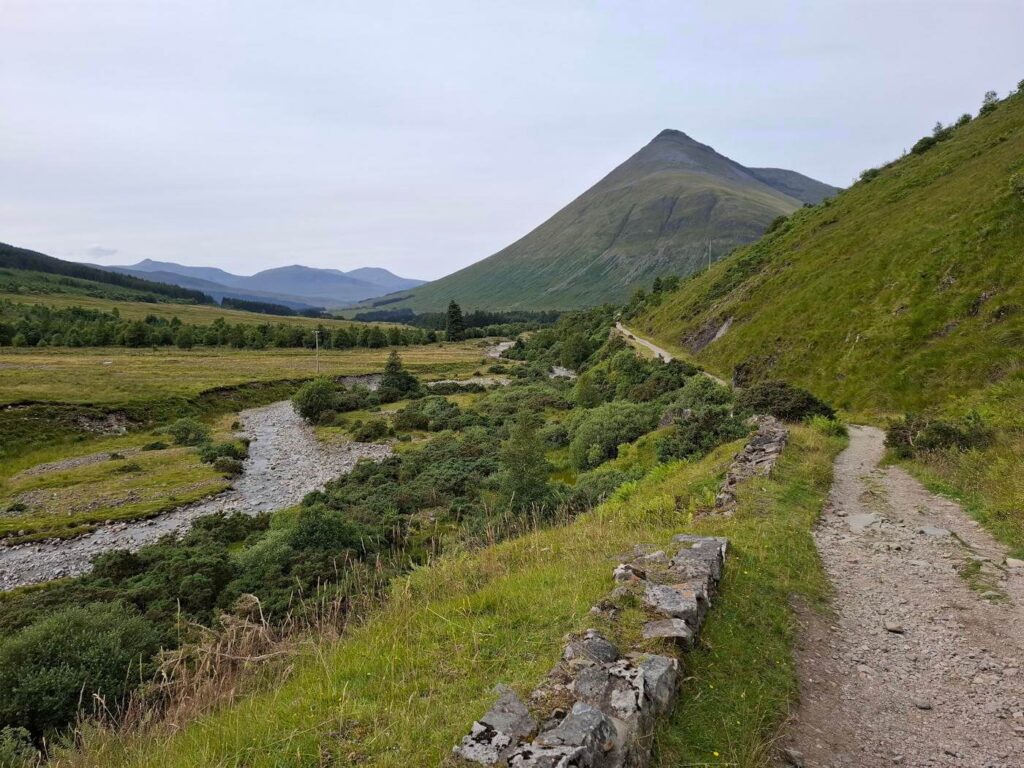
The hardest part of the trail was now behind me. The technical lochside path around Loch Lomond was done, and from here the walking becomes noticeably easier underfoot. Long level stretches replace constant ups and downs, and you can finally settle into a rhythm again. There is one short but steep climb near Crianlarich that’s worth mentally preparing for. It only lasts about fifteen minutes, but it’s sharp. Once you reach the top and catch your breath, the view down toward Crianlarich makes it worthwhile, and after that it’s back to steady, enjoyable walking all the way to Tyndrum and beyond.
🗺️ The Route
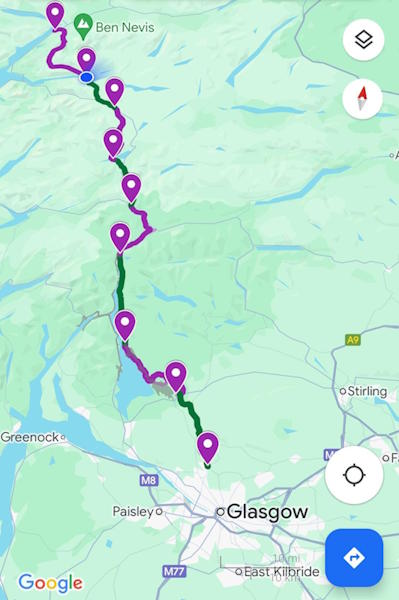
- Start: Strathfillan valley, just beyond Inverarnan
- Finish: Bridge of Orchy
- Distance: ~30 km / 18 to 19 miles
- Terrain: Riverside and glen tracks past the River Falloch, forestry roads, open farmland, and a gentle climb onto the moor approaching Bridge of Orchy
- Steps: ~45,000
This stretch is usually Day 4 on a 7 or 8 day itinerary, but on a 5 day walk it becomes a solid Day 3 push. The walking here is much kinder underfoot than Day 2, with longer level sections and fewer technical surprises. That said, exposure and midgies start to play more of a role, especially later in the day, so it’s not completely effortless.
🚶 My WHW Day 3
I set off around 9.30am, which in summer feels perfectly reasonable with the long daylight hours. If you’re walking earlier or later in the season, that would be late, but in July it gave me a relaxed start without any pressure.
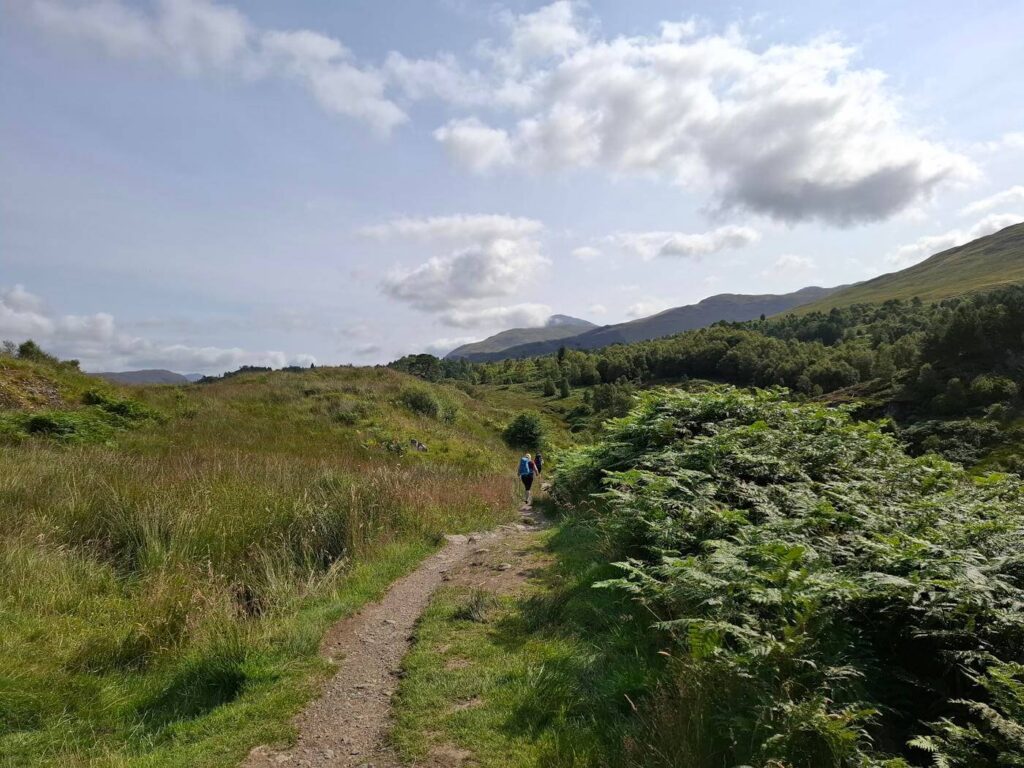
The first part of the morning was just easy strolling. Nothing dramatic, just steady walking through open ground, letting the legs warm up and easing into the day. After the technical effort around Loch Lomond on Day 2, it felt good to move without constantly watching where each foot landed.
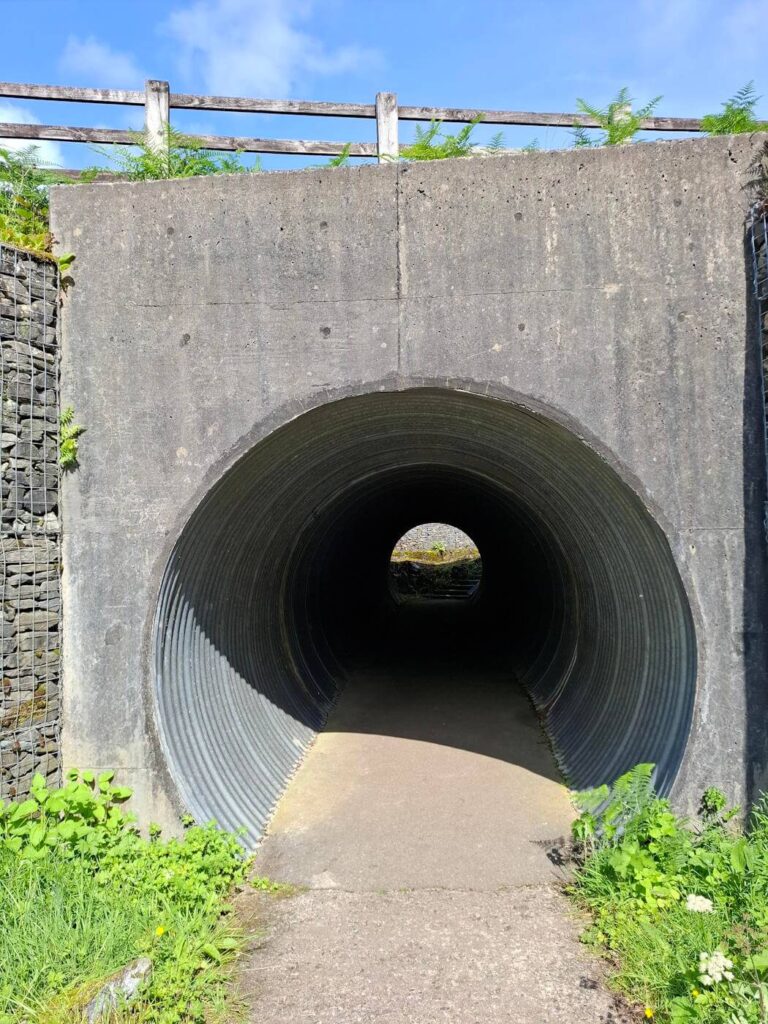
Not long into the morning, the calm was broken by the roar of fast jets tearing through the glen. I genuinely jumped, thinking for a second something was coming straight out the sky. Apparently this area is part of a regular training route. Loud, sudden, and completely unexpected, but memorable once the shock wore off.
It was around here that I briefly chatted with an English guy and his American friend from California. We spoke for a bit on the trail before naturally drifting apart again. At the time it just felt like another quick trail interaction, but it would turn out to be a small bit of foreshadowing for what came next on Day 4.
Not long after that, I fell into step with a guy and girl from Glasgow. They were doing the West Highland Way together for charity, having originally set off as a group of three after their manager offered them the week off to walk it as a team. One of them had already bailed earlier on with a knee issue, but the two of them were still pushing on strong. We got on straight away and ended up walking together for most of the day.
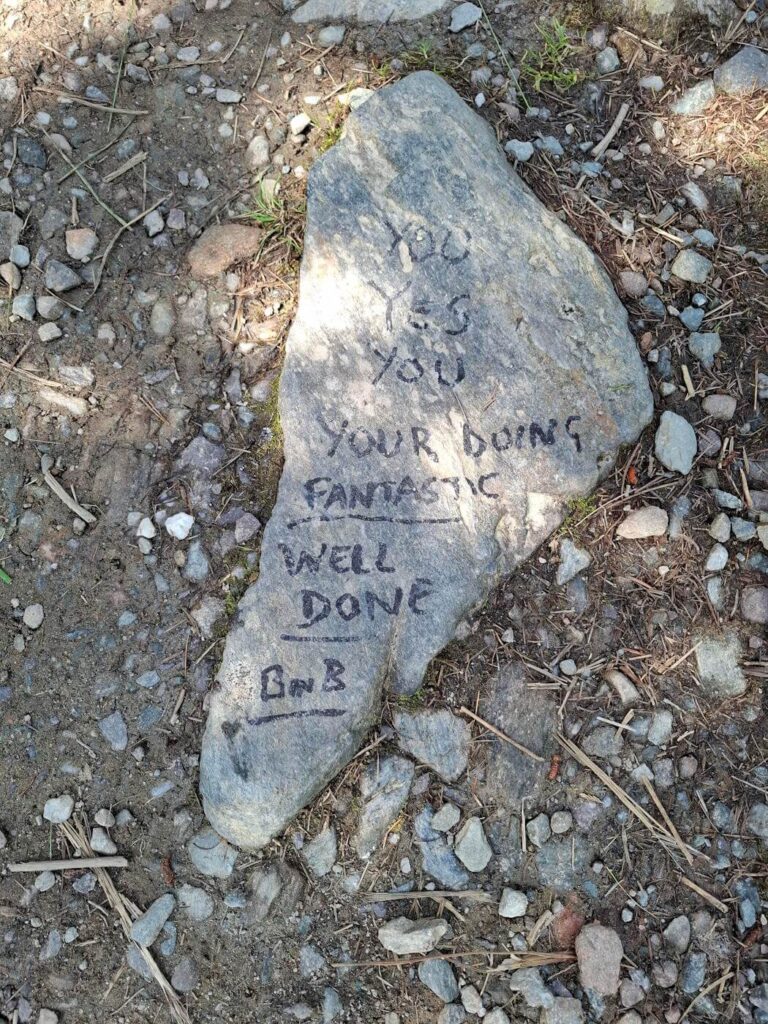
As we made our way north, the Glaswegian guy mentioned Jane Dotchin, who’s known for making an annual long distance journey on horseback between England and Scotland. Not long after that conversation, we passed a woman riding with her horse, heading north, who said she’d been doing the journey every year. At the time it all seemed to line up, and one of the guys handed over a tenner on the spot without much thought. Later, after the hike, I looked more into it and realised the person we met was younger than Jane Dotchin, so it may not have been her, but possibly someone inspired by her story. Either way, it was a genuine and quietly grounding encounter, the kind you only seem to get on long distance trails.
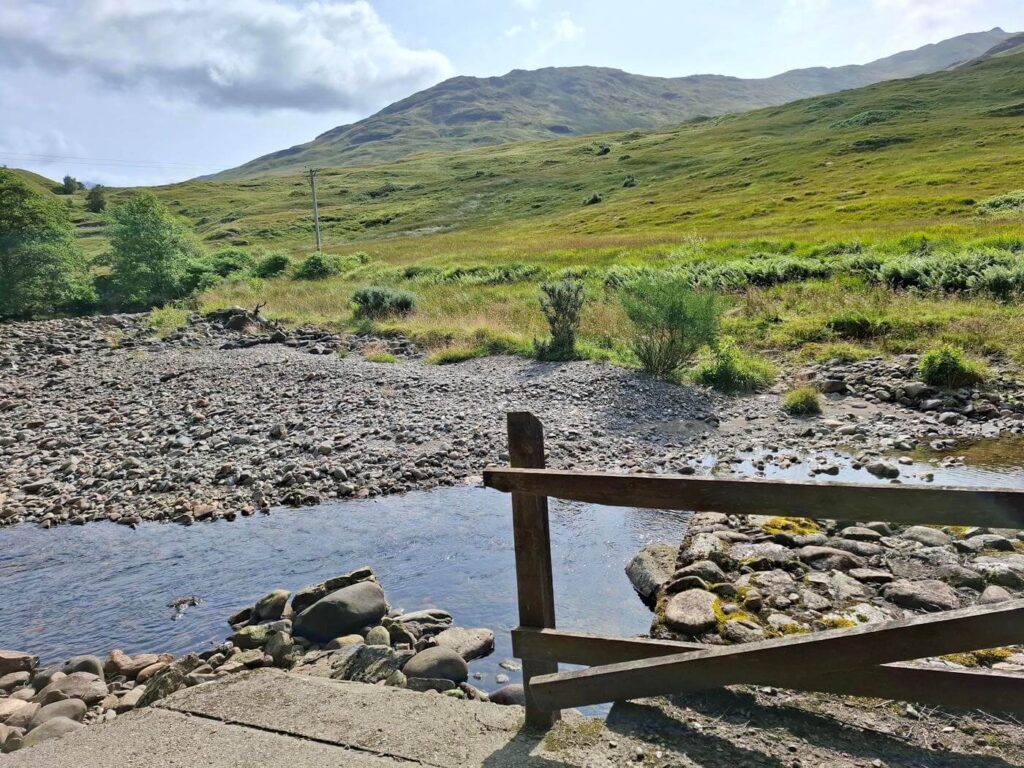
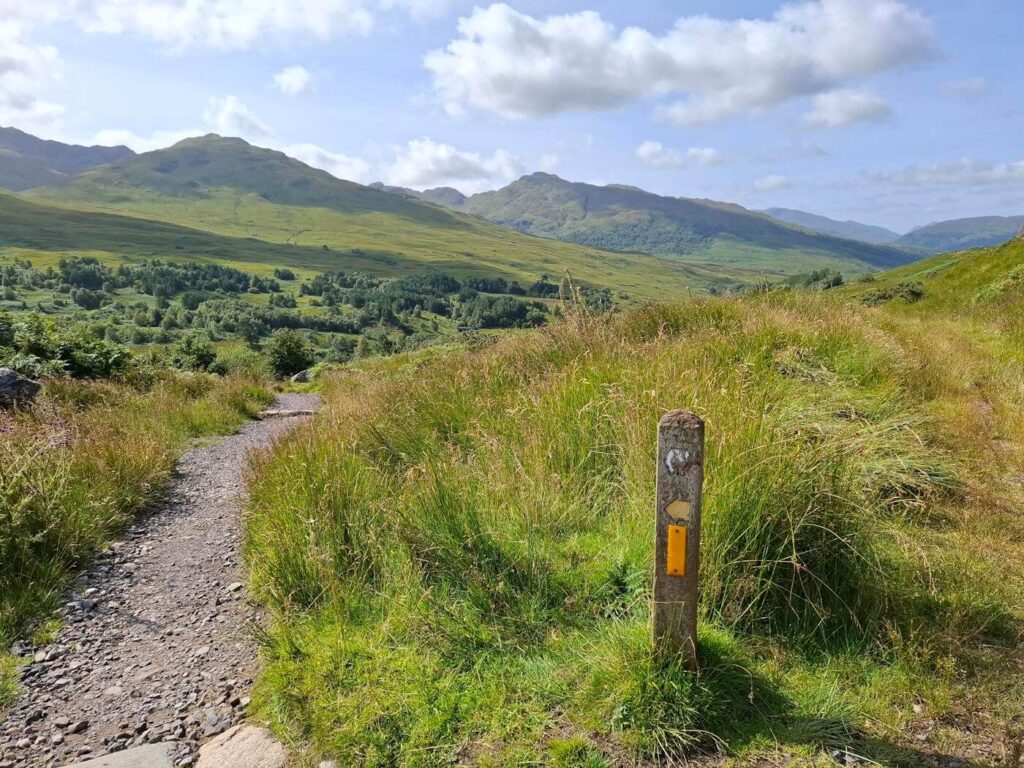
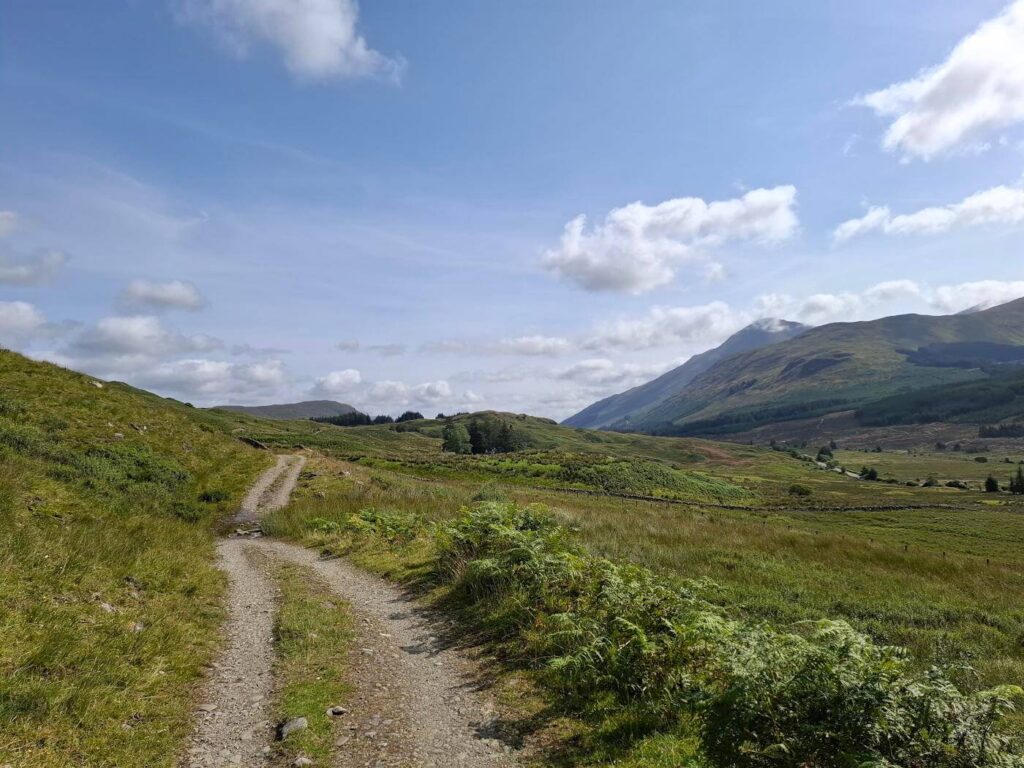
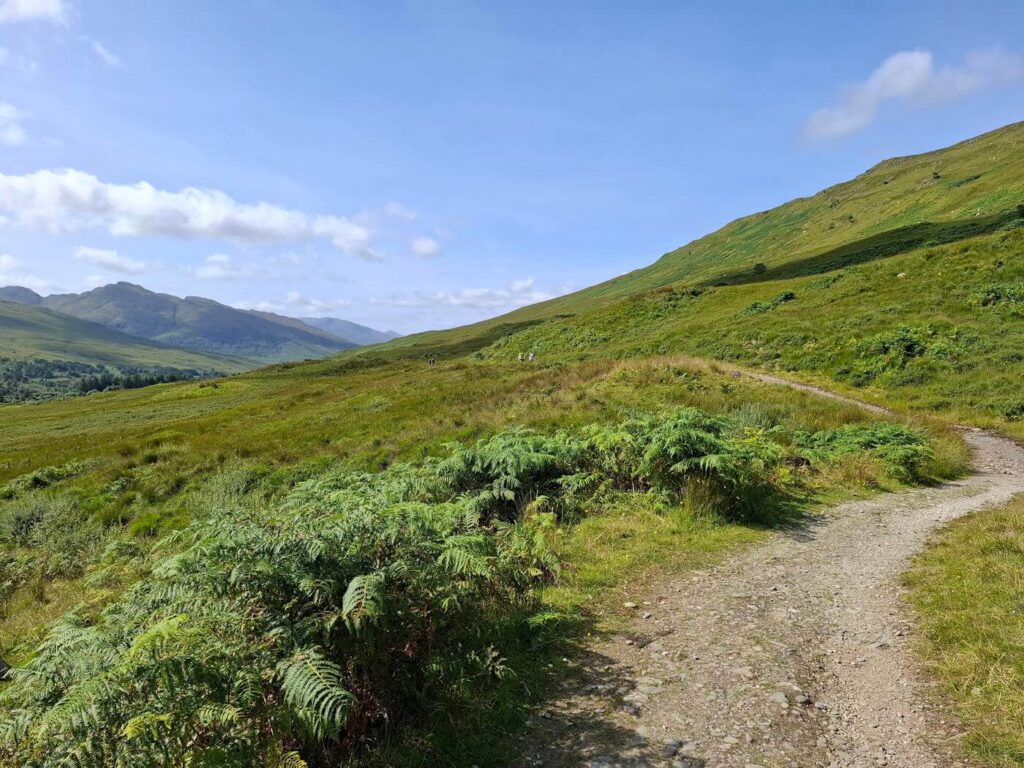
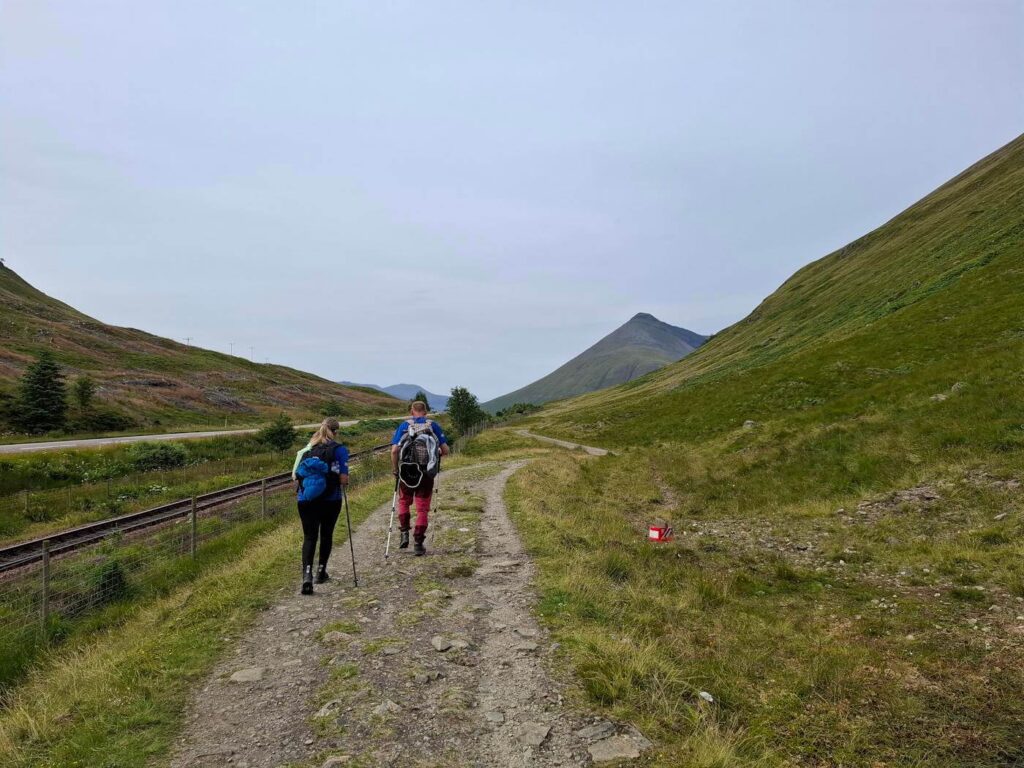
After the rocky grind of Day 2, the path itself was a proper relief. The trail rolled gently alongside the River Falloch, through Strathfillan and then Dalrigh. Easy walking, steady progress. The midgies were starting to appear, but they were still manageable at this point.
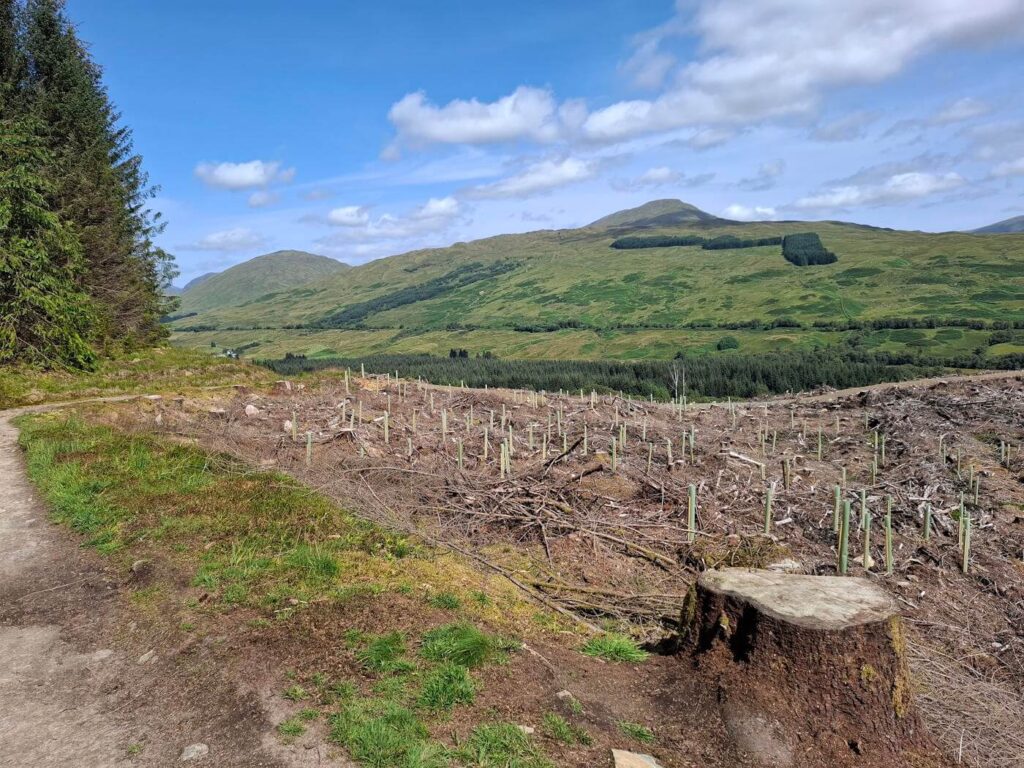
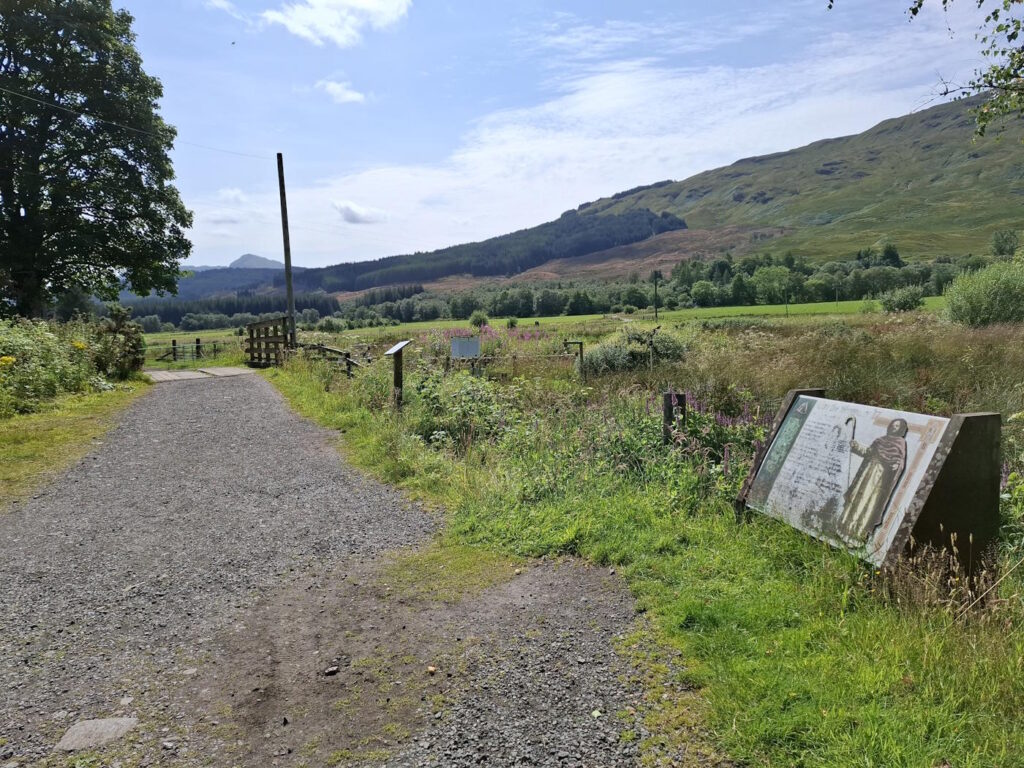
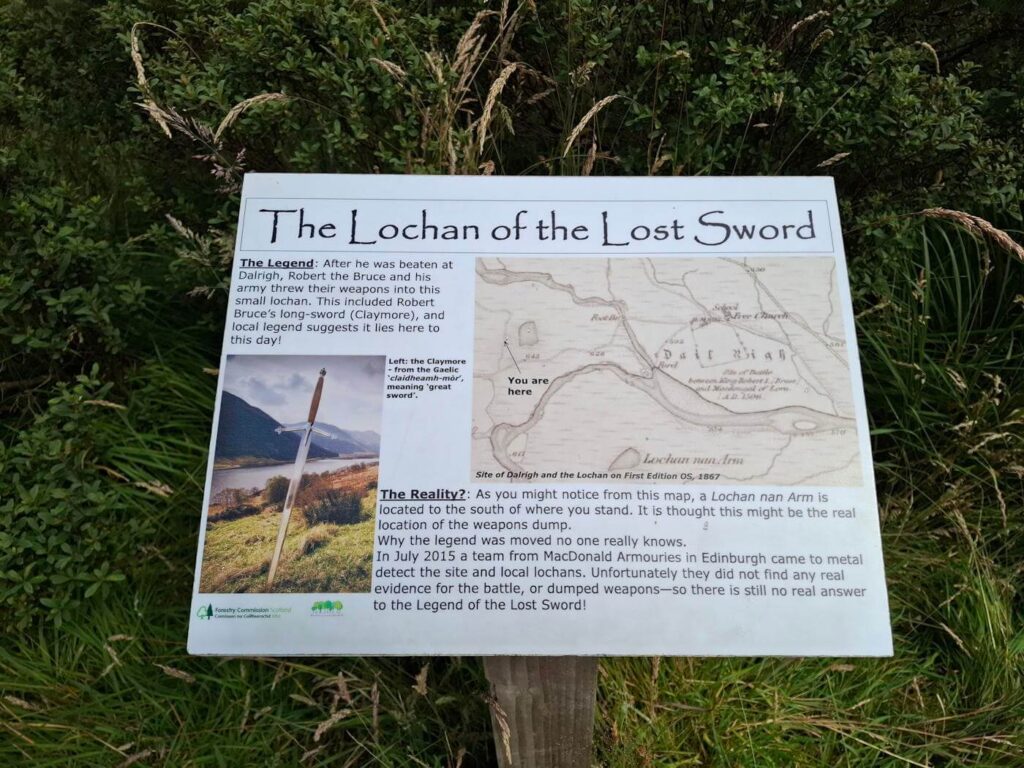
Approaching Tyndrum, I passed the information board for the Lochan of the Lost Sword. According to local legend, after being defeated at the Battle of Dalrigh in 1306, Robert the Bruce and his men threw their swords into the lochan to help them escape. Whether it’s true or not, it felt fitting to read that story just before reaching a place that marked such a personal milestone for me.
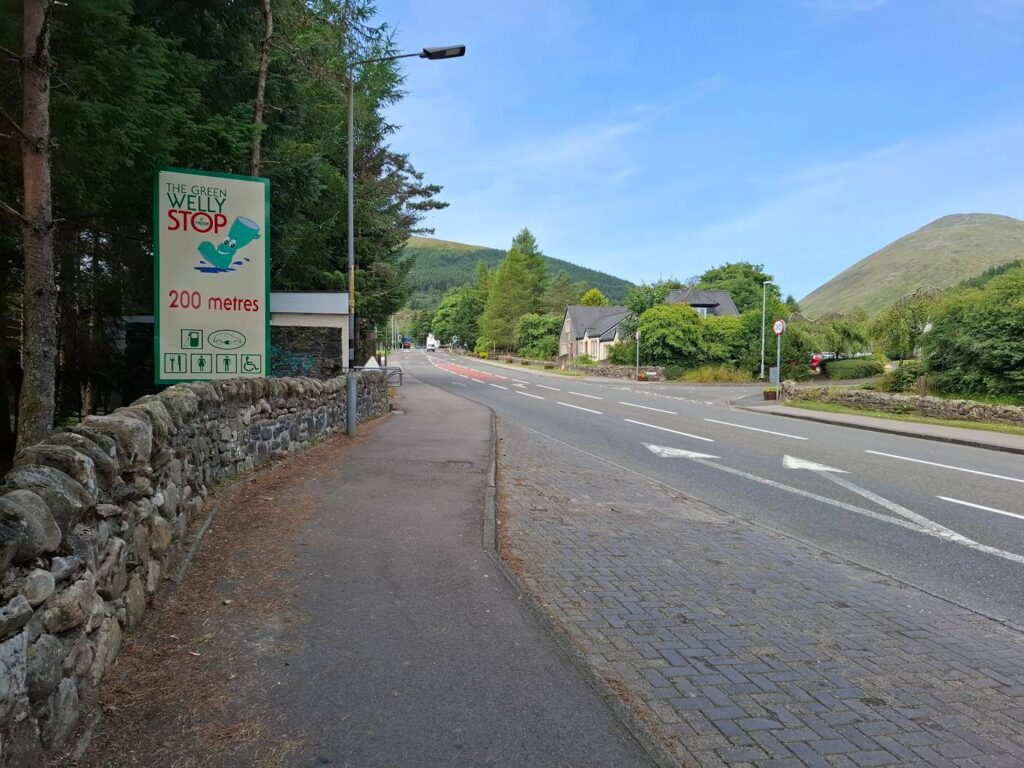
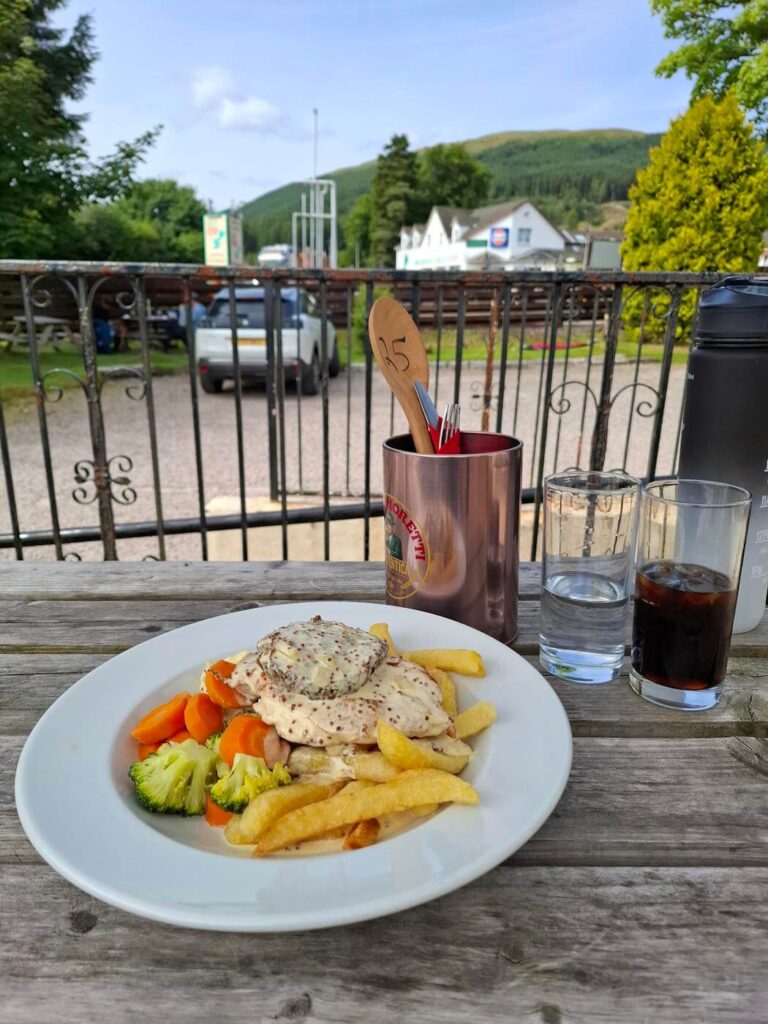
By lunchtime the three of us reached Tyndrum. A busy wee village with two railway stations and a surprising amount of life for such a small place. This was where my previous West Highland Way attempt had ended the year before, so walking straight through instead of stopping felt significant. We sat down for a proper pub lunch, and I had Balmoral chicken. It was easily the best meal of the whole journey. Having food like that at the halfway point felt perfect. One of the real strengths of the West Highland Way is that, even though it’s hard going, you’re rarely far from a checkpoint where you can get a warm meal and a pint. After lunch we restocked at the Green Welly Stop. It has a reputation for being expensive, but the quality and choice make it worth it. As a resupply stop, it’s hard to beat.
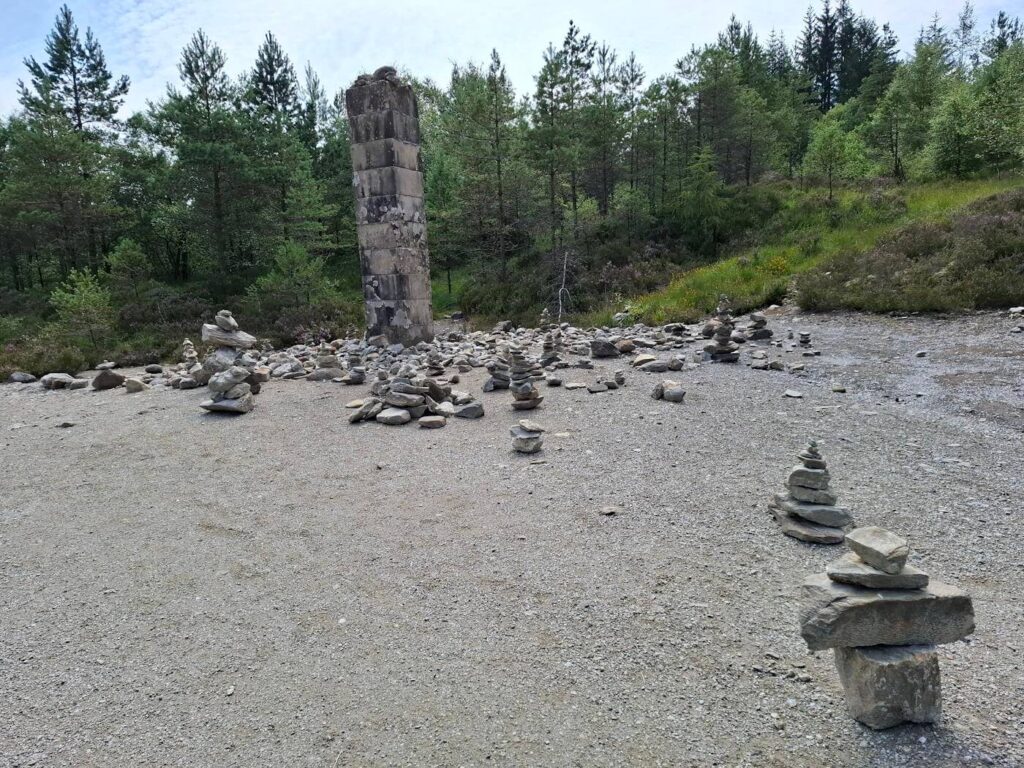
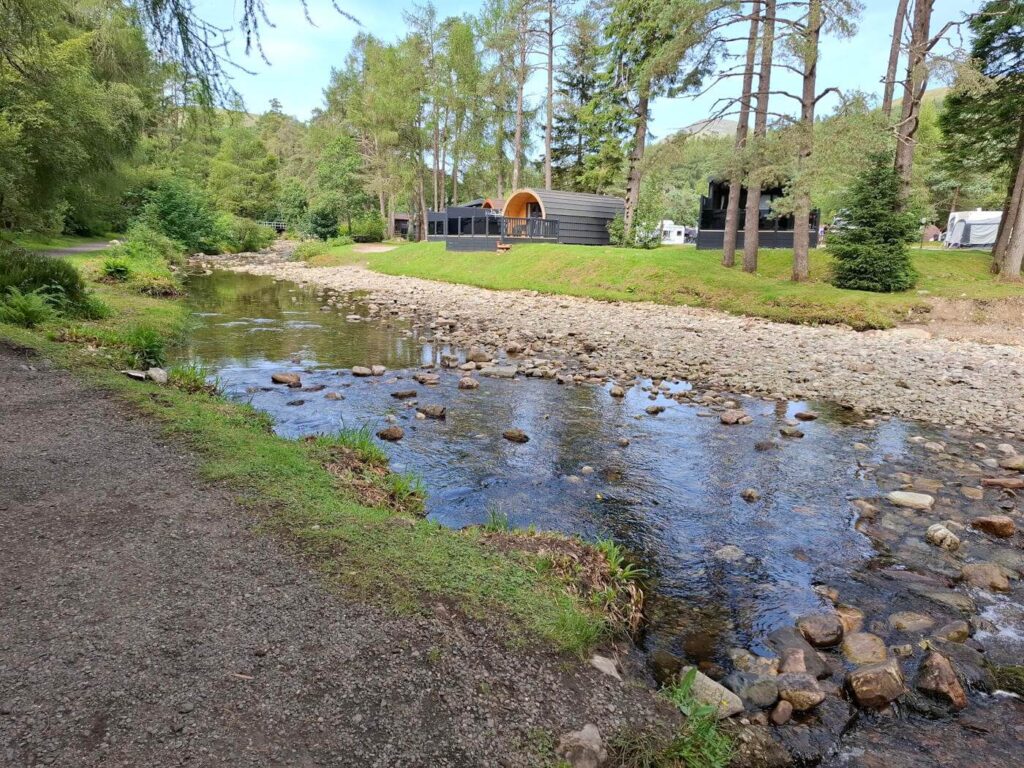
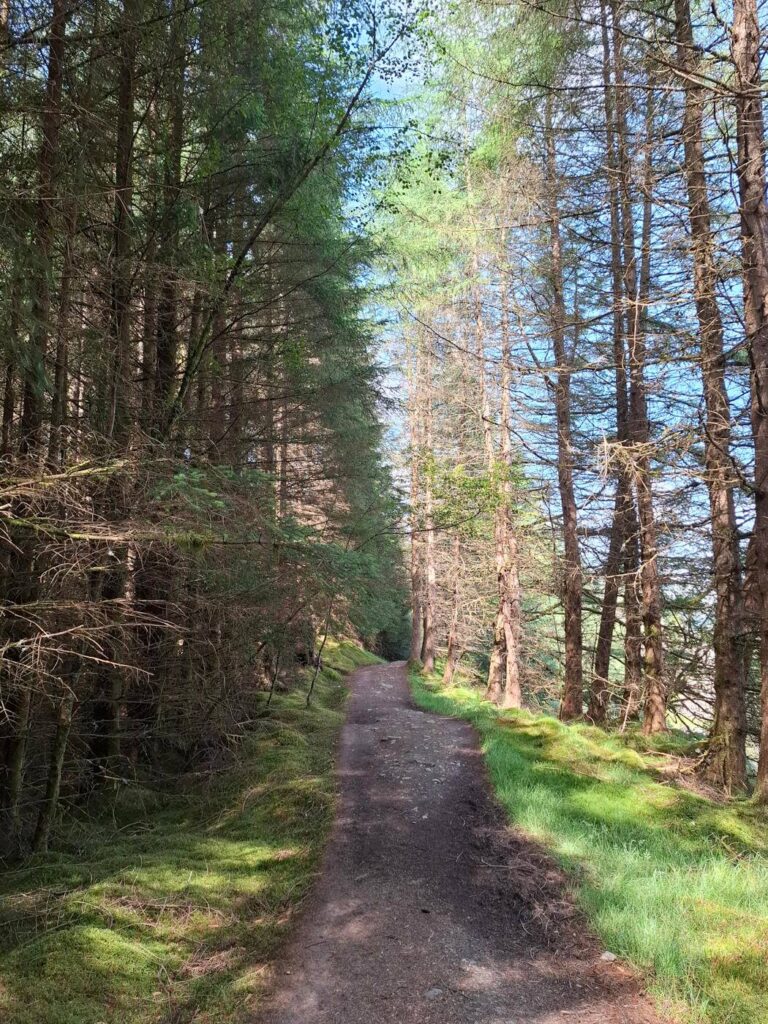
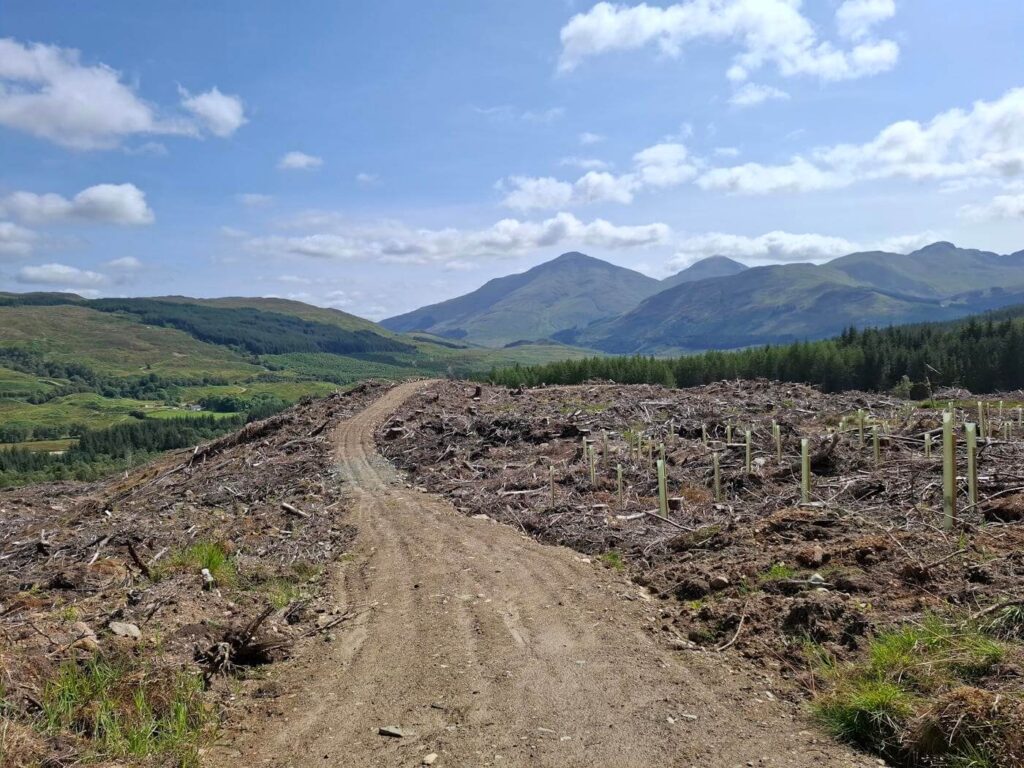
After lunch the three of us carried on together. The path climbed gently through forestry before opening into a wide glen with views across to Ben Odhar and Beinn Dorain. A couple of jets screamed past again and we all instinctively ducked and laughed. This was the easiest walking so far. Firm underfoot, mostly level, and a real contrast to the lochside path earlier in the trip. The midgies were definitely building by this point. Worth saying, this is very seasonal. If you’re walking in March or April, or later in September or October, you’re far less likely to experience what we did.
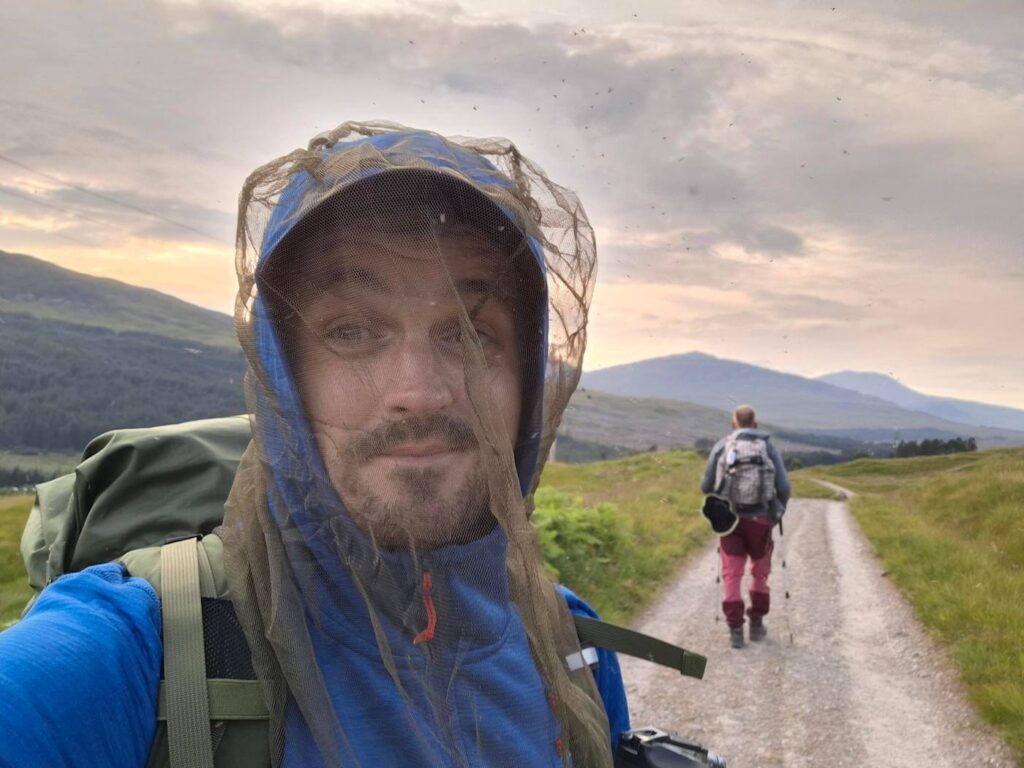
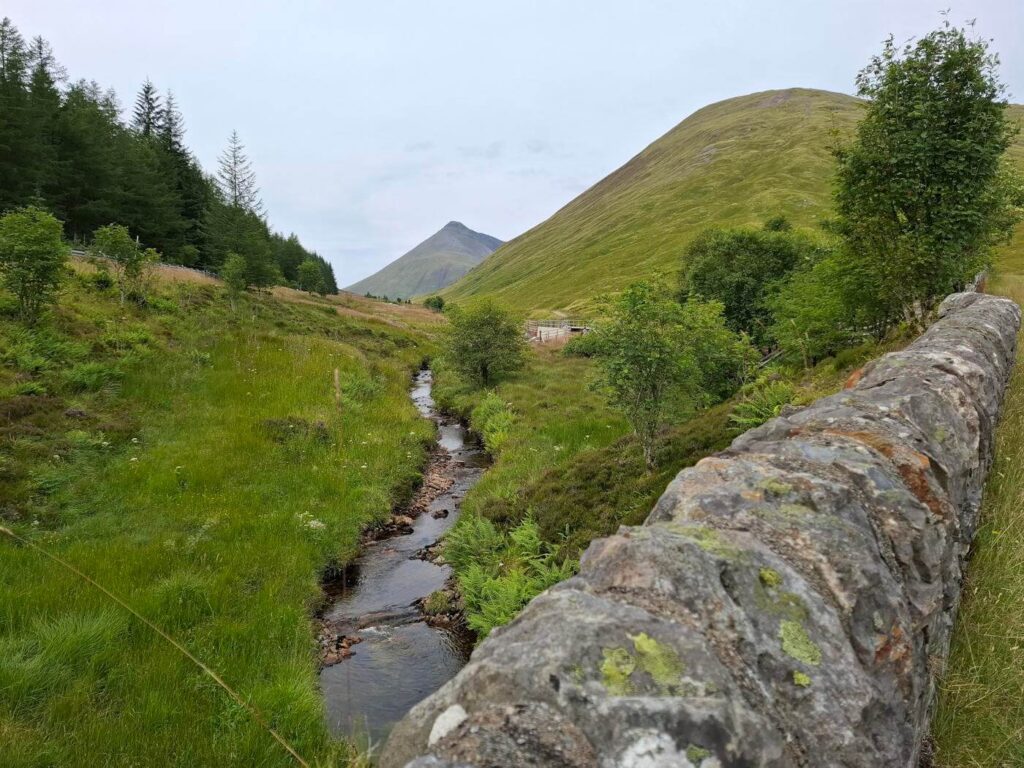
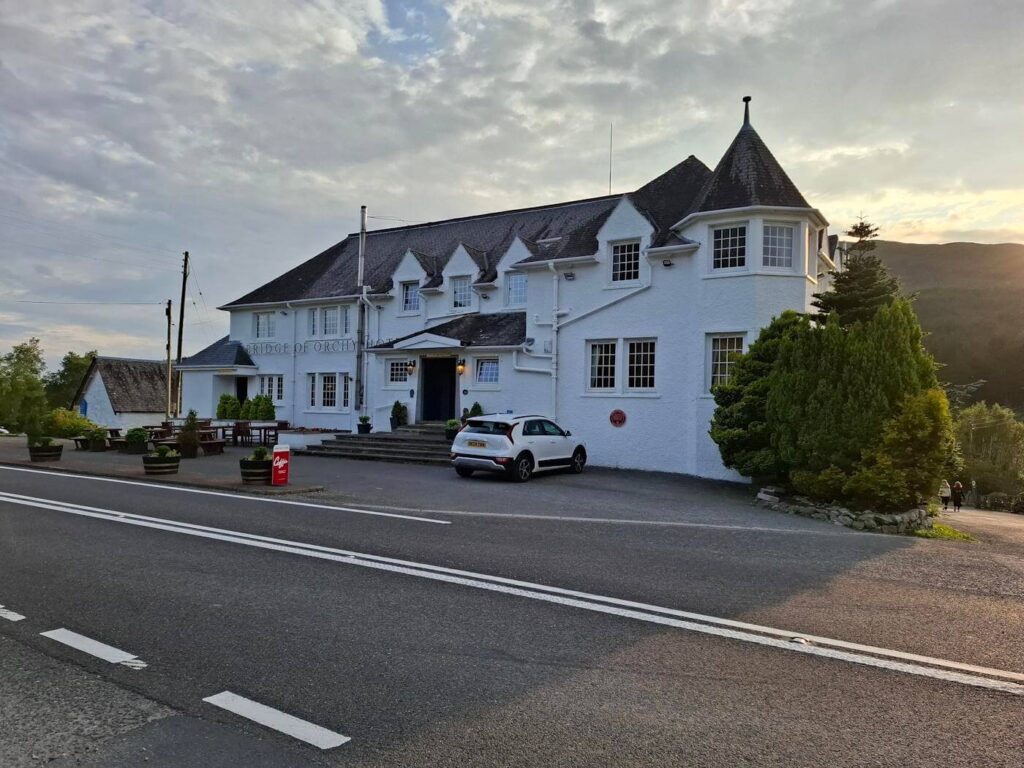
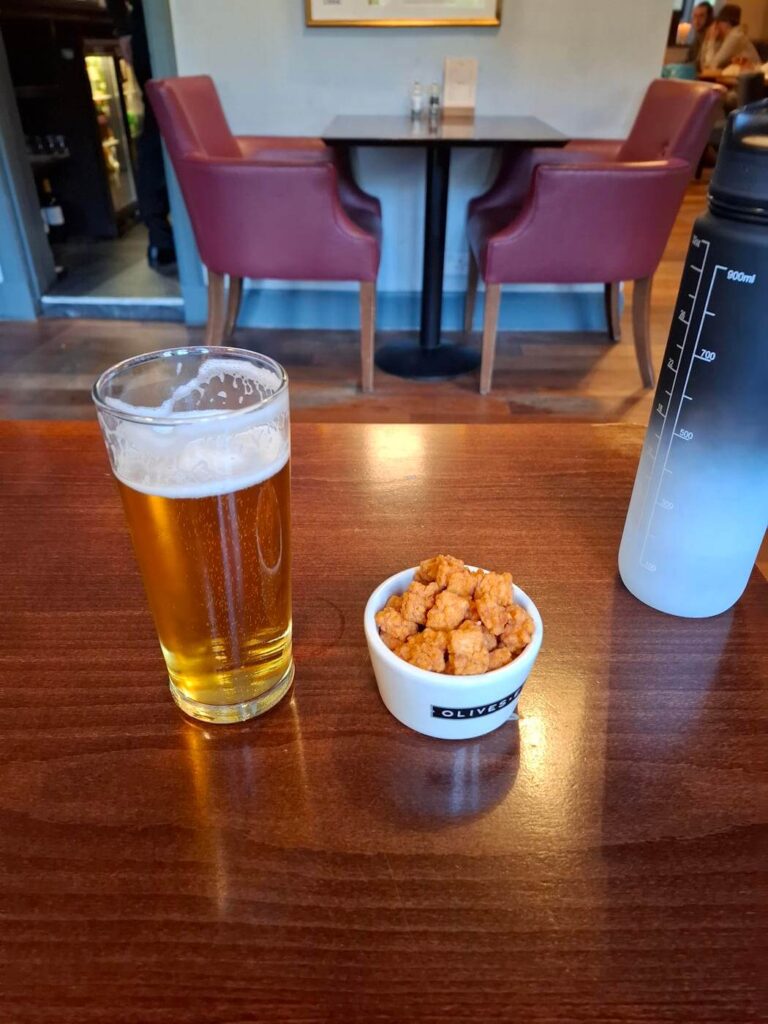
By late afternoon we reached Bridge of Orchy. There’s a hotel here, the Bridge of Orchy Hotel, with a bar and restaurant, but when we arrived they weren’t serving food. Timing or busyness, I’m not sure. The guy and girl I’d been walking with had a hotel booked a few miles up the road with their friend, so within minutes they jumped into a taxi and disappeared down the road. I stayed put, settled for some nuts and a pint, and watched everyone else enjoy a hot meal.
This is where the midgies went from annoying to brutal. Everyone around was wearing head nets. I hadn’t used my Smidge spray yet, and setting up the tent was miserable. Every few seconds my legs would be black with midgies. I’d wipe them away and see red smears where they’d been. I had two options, spend time zipping my trousers back into full length, or get the tent up as fast as possible. I chose speed. Once the tent was up, I dived inside. Thankfully none made it in, and once zipped up everything was fine. By morning a light breeze had cleared them and I slept nae bad.
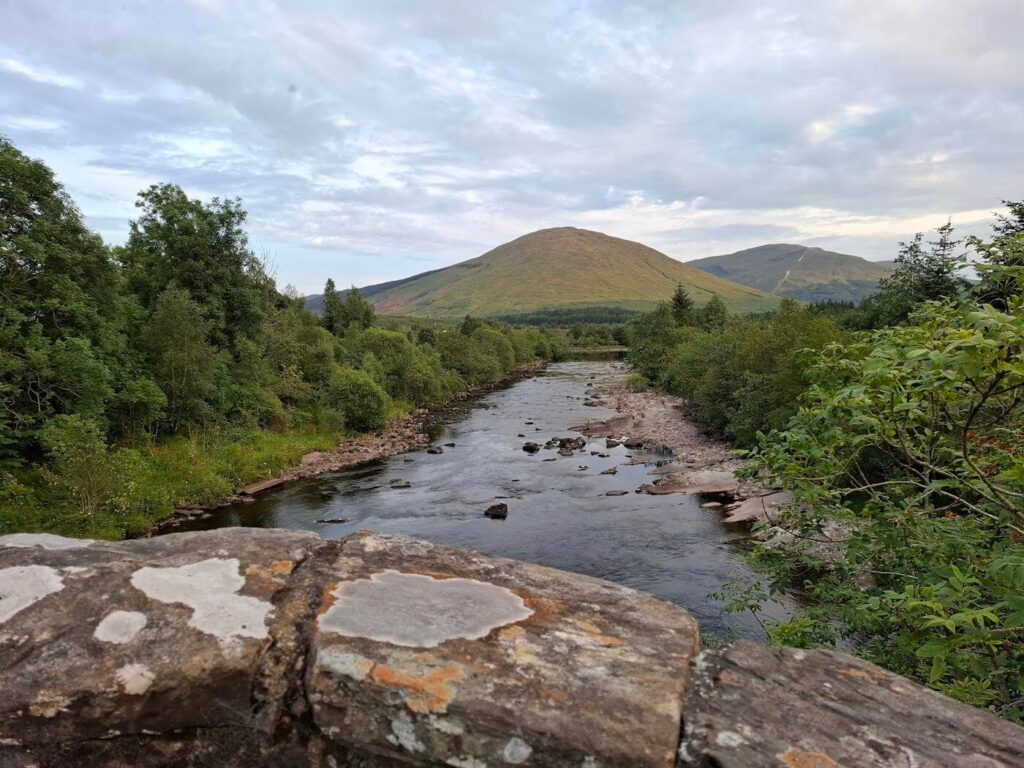
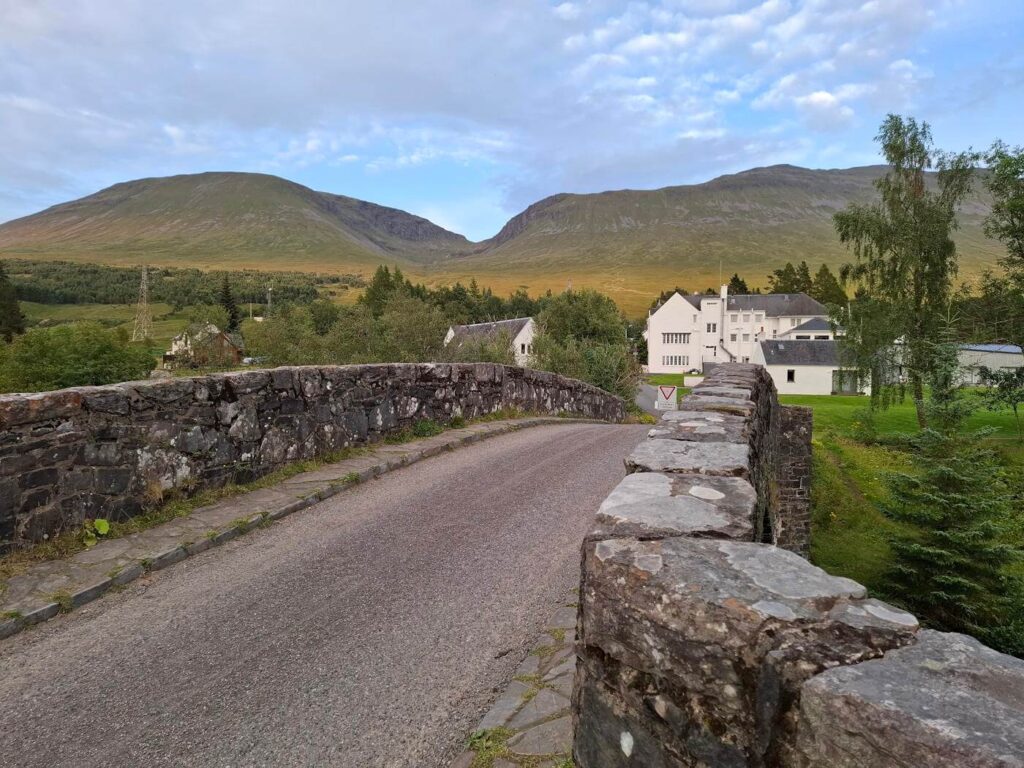
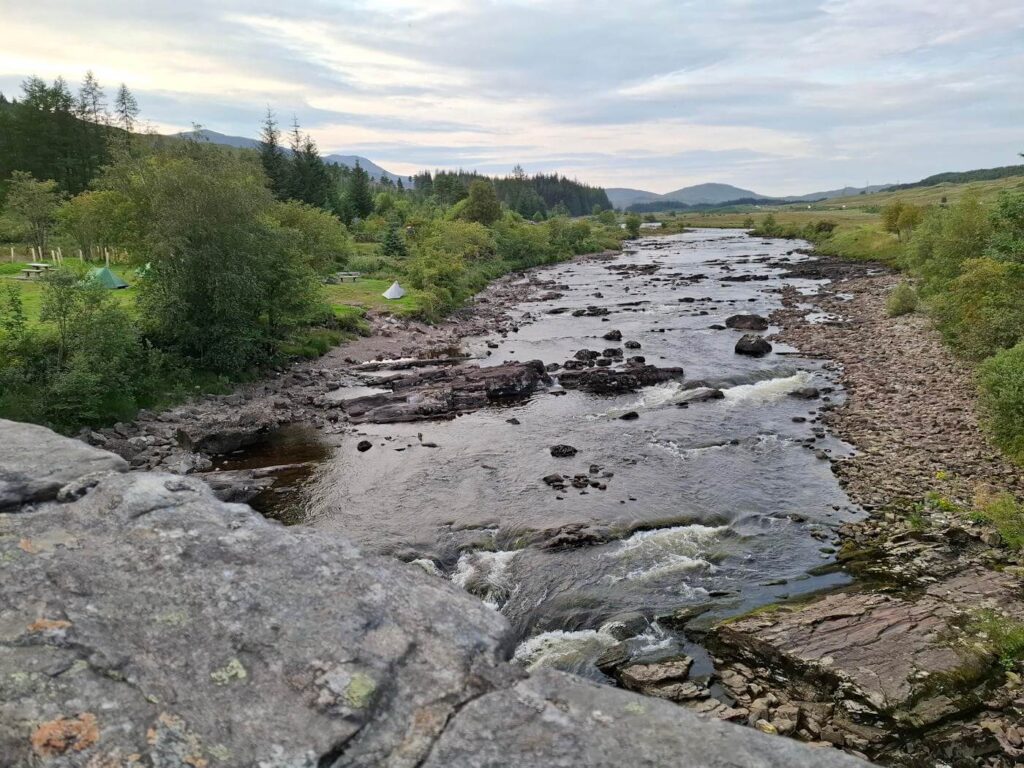
Despite the bugs, Day 3 ended up being one of my favourite days on the West Highland Way. The social side of solo hiking is always unexpected, and spending the day with the same people made the miles disappear. Passing Tyndrum felt like a quiet victory, and even with the midgies at Bridge of Orchy, camping there set me up perfectly for heading deeper into the Highlands on Day 4.
🥾 Trail Notes – Day 3
Terrain & pace: This was the easiest walking so far. The path is mostly level with good footing, and after the Loch Lomond grind you’ll naturally find your pace picking up again.
Milestones: Passing Tyndrum marks the emotional halfway point for many walkers. It’s the smallest settlement in the UK with two railway stations and feels like a proper oasis when you reach it.
Jets & noise: Low flying military jets can happen through this glen way. They can make you jump, but if it happens it adds a slightly surreal edge to the day.
Resupply: Tyndrum’s Green Welly Stop is an ideal place to restock food, treat yourself to a proper hot meal, and refill water. Prices are higher than city shops, but the choice and convenience make it worth it.
Midges: From mid July onwards, midges can be relentless. Carry Smidge insect repellent and a midge head net, especially if you’re camping. They can turn an easy setup into a miserable experience very quickly. I’ve written a full guide on how to deal with midgies while hiking and wild camping in Scotland, which is worth a read if you’re walking in peak season.
Social side: This stage is often where solo hikers start bunching up. Embrace the chat. It makes long miles shorter and you’ll almost certainly meet some characters along the way.
⛺ Wild Camping Notes – Day 3
Near Tyndrum:
If you’re planning to stop around Tyndrum, Tyndrum Holiday Park is the best official option in the area. It offers camping, wigwams, and proper facilities, and sits conveniently close to the trail. Wild camping immediately around Tyndrum is more limited due to farmland, so if you want something straightforward and stress free, the holiday park is the sensible choice here. I had a night here on my last day of my failed WHW attempt, I do recommend it!
Bridge of Orchy area:
Bridge of Orchy is a very common stopping point, and depending on the season you’ll almost certainly see other tents pitched nearby. There are plenty of workable spots close to the river just beyond the bridge, with easy access from the trail. Midges can be fierce in summer, so Smidge spray and a head net are strongly recommended. If you’d rather sleep indoors, the Bridge of Orchy Hotel is right on the route and offers rooms, food, and a bar.
Wild camping flexibility:
This section of the West Highland Way is much more forgiving for wild camping than earlier days. The terrain is flatter, the paths are wider, and there are long stretches where it’s easy to step off trail and find a reasonable pitch if needed. That makes it a good day for adapting plans on the fly, especially if you’re tired or arrive later than expected.
💭 Final Thoughts
Day 3 was a reset in many ways. The trail eased, the scenery opened up, and I finally felt like I was walking into the Highlands rather than around the edge of them. The milestones of passing Tyndrum and finally camping beyond my previous endpoint gave me a quiet sense of achievement. Socialising with fellow hikers reminded me that even solo journeys can become shared adventures. And although the midges nearly drove me mad at Bridge of Orchy, they also provided a stark lesson: never forget your Smidge and head net. With Loch Lomond behind me and the open moors ahead, I felt ready for the WHW’s next challenge.
Leave a Reply